- 3 W 51st Street, New York, NY 10019
- (212) 582-5454

Is an Outdoor Event Space in Manhattan the Right Choice for a Spring or Fall Celebration?

How a Rooftop Events Space in Manhattan Sets a Different Mood Than an Indoor Ballroom
June 5, 2026
Why an Outdoor Private Event Space in Midtown NYC Works Better for Smaller Guest Lists
June 15, 2026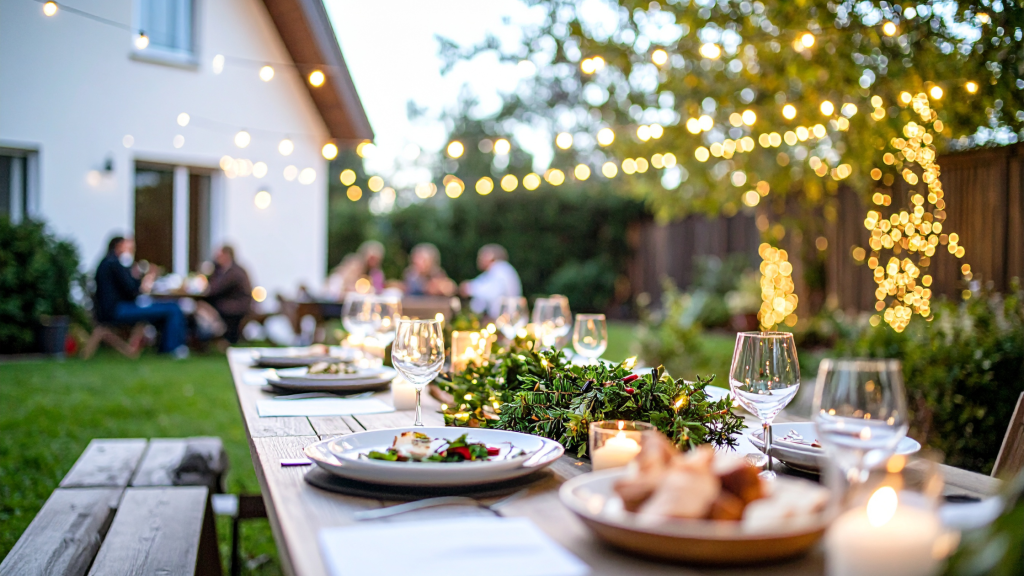
Mild temperatures, soft light, and a city that feels alive without the summer heat, spring, and fall are the seasons that hosts dream about. That is also when an outdoor event space in Manhattan shows its real appeal, as long as you plan for the weeks when the weather cannot quite decide what it wants to do.
These shoulder seasons can deliver some of the most beautiful events of the year. They can also catch an unprepared host off guard. This post walks through when spring and fall work beautifully outdoors, and what to lock down before you commit to an open-air date.
Why Spring and Fall Suit Outdoor Events
The appeal starts with comfort. Spring and fall bring temperatures that let guests enjoy the open air without sweating through cocktail hour or reaching for a coat the moment the sun dips. That comfort keeps people outside, mingling and relaxed, which is exactly the energy an outdoor event is meant to create.
Light helps too. The softer, lower sun of these seasons flatters everything, from the food on the table to the faces in the photographs. Evenings stretch out pleasantly in late spring, and early fall keeps a warm, golden quality that makes a terrace feel inviting well past dinner.
There is a practical upside as well. Demand outside the summer peak can mean better availability and friendlier pricing, so a flexible host often finds more room to negotiate dates and details during these months.
The atmosphere of these months adds something too. Spring carries a sense of renewal that lifts the mood of any celebration, while fall brings warm tones and a gathered, cozy feeling. Guests respond to that seasonal character, and it gives an event a sense of place that a climate-controlled room rarely matches.
The Weeks That Catch Hosts Off Guard
Shoulder seasons earn their name because they sit on the edge of unpredictability. A late frost can sneak into early spring, a sudden rainy stretch can settle over April, and an early cold snap can arrive before fall officially ends. None of this is a reason to avoid an outdoor event, but all of it is a reason to plan with eyes open.
The fix is simple awareness. Look up the typical conditions for the specific month you are considering, not the season in general, since early April and late May behave nothing alike. If your date can flex even by a week or two, you give yourself room to land on the more reliable end of the season.
Set a clear rain-call deadline with the venue from the start. Knowing exactly when and how the decision gets made removes the stress of staring at a forecast and second-guessing yourself the morning of the event.
Backup Plans That Actually Hold Up
A good backup is not an afterthought; it is part of the booking. The strongest outdoor venues pair the open-air space with a connected indoor option that matches it in quality, so a weather shift moves the celebration rather than diminishing it. The transition should feel like a natural part of the evening, not a scramble.
Tents and covered sections have their place, though they take planning and lead time, and they change the look and budget of the event. Before you rely on one, ask whether the venue already offers indoor event spaces that can absorb your full guest list at a moment’s notice.
The goal is a plan so smooth that guests never realize a change has happened. When the backup is built in, you get to enjoy the outdoor setting without quietly dreading the sky.
Comfort Details Guests Quietly Notice
A little preparation also keeps the celebration relaxed rather than tense. When you have a clear plan for a sudden shower or an unexpected chill, you stop watching the sky and start enjoying the event, and that ease spreads to your guests. People take their cues from the host, and a calm host makes for a calm, happy room.
Spring and fall reward attention to the small things. A few heaters take the edge off a cool evening, light shade keeps an afternoon comfortable, and seating placed with the breeze in mind makes the whole space feel considered. Guests may not name these touches, but they feel the difference in how long they linger and how relaxed they seem.
Timing matters too. Build the program around the daylight and the temperature curve, so the warmest, brightest stretch carries your key moments. This kind of planning suits everything from social events to more structured gatherings, where the schedule needs to align with the conditions outside.
A short note to guests about dressing for an outdoor setting completes the picture. When people arrive prepared, they settle in faster and stay comfortable longer.
Matching the Season to Your Event
Different celebrations suit the shoulder seasons in different ways. Spring carries a fresh, optimistic energy that fits weddings, showers, and milestone parties, while fall brings a warm, gathered feeling well-suited to corporate mixers, fundraisers, and seasonal celebrations. Let the mood of the season work in your favor.
Corporate hosts in particular find these months ideal, since the comfortable weather keeps networking lively and the setting feels less rigid than a standard conference room. For meetings that still need a polished indoor anchor, a dedicated hotel conference room pairs well with an outdoor reception, giving the day both focus and flow.
Working With a Venue That Knows the Season
Experience counts for a great deal when the weather is in play. A venue that hosts outdoor events through spring and fall has seen every kind of day, and that history shows in how smoothly the team handles a shifting forecast. They know when to make the call, how to move a crowd without breaking the mood, and what guests need to stay comfortable as conditions change.
That experience also helps before the event. A seasoned team can tell you how a specific date has behaved in past years, which times of day tend to be most pleasant, and how to schedule the program around the season’s quirks. This kind of guidance turns guesswork into a clear plan you can trust.
It pays to ask how often the venue runs outdoor events in the months you are considering. A space that treats the terrace as an afterthought will not plan for the weather the way a venue that builds its calendar around the seasons does, and that difference shapes how your day unfolds.
Making the Call on a Spring or Fall Date
An outdoor event space in Manhattan rewards spring and fall celebrations when the host plans for the weather instead of hoping for it. Read the conditions for your month, keep the date flexible where you can, and book a venue with a real backup, and these seasons will hand you an event that feels effortless.
The setting does the rest. With the city as a backdrop and the season on your side, an open-air celebration becomes the kind of day guests remember for years.
Plan a Seasonal Celebration at 3 West Club
3 West Club offers exactly the pairing these seasons call for, the Solarium and its private terrace alongside six interior event spaces in the heart of Midtown. From corporate events to private gatherings, the team builds the weather contingency directly into the booking, so the day works whatever the forecast brings.
See the venue in the photo gallery and contact us to check availability for your spring or fall date.
Frequently Asked Questions
What is the best month for an outdoor event in NYC?
Late May, June, September, and early October tend to offer the most reliable comfort, with pleasant temperatures and lower rainfall odds. The exact best fit depends on your event type and how much evening warmth you want.
What happens if the weather turns on my event day?
With the right venue, the celebration simply moves to a connected indoor space. Confirm before booking that the backup matches the quality of the outdoor area, and agree on a clear deadline for making the call.
Do I need a permit for an outdoor event in Manhattan?
It depends on the location. Private venues with their own terraces typically handle the necessary approvals, while events on public land usually require permits. Ask the venue directly so you know what falls to you and what they manage.
How early should I reserve a spring or fall date?
Six to twelve months ahead is wise, since these comfortable seasons fill quickly, especially for weekend evenings. Booking early protects your preferred date and gives you more say over the layout and details.
Are shoulder-season dates cheaper than peak summer?
Sometimes, depending on the venue and the exact date. Demand can ease outside the summer peak, which occasionally opens up better pricing and availability, so it is worth asking when you inquire.
Reserve Your Hotel Conference Room Rental Today!
To Start Planning Your Event

Jonah Wilson, MBA, is the Marketing and Events Manager at 3 West Club, a historic Manhattan venue known for its timeless “Old New York” elegance and premier event experiences. With expertise spanning hospitality, entertainment, fintech, and consumer goods, Jonah specializes in developing strategic marketing campaigns that drive brand growth, elevate guest experiences, and increase engagement. His passion for innovation, analytics, and consumer insights helps position 3 West Club as a leading destination for weddings, corporate events, and overnight stays in the heart of New York City.