- 3 W 51st Street, New York, NY 10019
- (212) 582-5454

Finding the Best Wedding Venues Manhattan Has to Offer

Why This Manhattan Wedding Venue Feels Like a Fairytale
July 5, 2026
What Makes This Wedding Venue NYC Couples Adore
July 19, 2026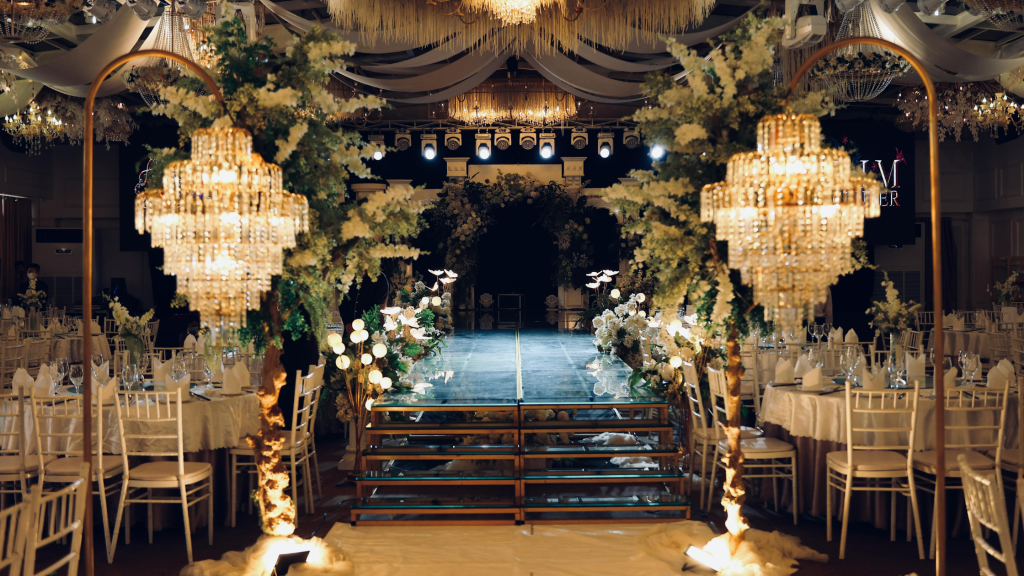
Searching for the best wedding venues Manhattan has to offer can feel overwhelming fast. Between historic ballrooms, sleek rooftop spaces, and everything in between, the options multiply the moment you start scrolling. The good news is that the best venue for your wedding is not the one with the most followers on Instagram; it is the one that actually fits your vision, your guest list, and the way you want the day to feel.
This guide breaks down what to look for, the questions worth asking on every tour, and the details that separate a truly great venue from one that just looks good in photos.
Start With the Vision, Not the Venue List
Before touring a single space, it helps to define the wedding you actually want. Are you picturing a classic ballroom with chandeliers and a live band, or something more modern and pared back? Do you want an outdoor ceremony with a skyline view, or an intimate indoor gathering with close family? Answering these questions first turns a long list of options into a short, manageable one.
Guest count and season narrow things down even further. A venue that feels perfect for eighty guests in October might feel empty or mismatched for two hundred guests in June. Budget range matters here too, since it is far easier to fall in love with a space that is actually within reach than to tour venues you cannot ultimately book.
It also helps to think about the order of the day itself. Some couples want the ceremony, cocktail hour, and reception all under one roof, while others prefer to marry in one location and celebrate in another. Deciding this early narrows the search considerably, since not every venue supports every format equally well.
Talking through priorities as a couple before the first tour also prevents disagreements later. One partner might care most about the food, while the other cares most about the room’s aesthetic. Naming those priorities out loud early on makes every tour afterward far more productive.
What Separates a Good Venue From a Great One
Some venues hand couples a room and a list of approved vendors. Others provide full in-house planning support, an experienced team that coordinates catering, timing, and setup from the first meeting through the final send-off. That difference shapes the entire planning experience, especially for couples juggling demanding jobs or planning a wedding from out of state.
Natural light, room versatility, and built-in architectural character also matter more than most couples expect. A room with beautiful bones needs less decor to look finished, which often means real savings on florals and rentals. Reading reviews from past couples, not just the polished photos on a venue’s website, offers a clearer picture of how a space handles real-world moments, a sudden rainstorm, a delayed flight, or a last-minute guest count change.
A great venue also tends to show flexibility around menu design, timeline changes, and guest count adjustments as the big day gets closer. Couples rarely finalize every detail a year out, so a team willing to adjust as plans evolve saves a lot of stress later in the process.
Seasonal Timing Can Change What Counts as Best
The best venue for a June wedding is not always the best venue for a December one. Outdoor terraces and rooftop spaces shine in warmer months but may sit unused during a winter celebration, while a grand indoor ballroom with rich lighting can feel especially magical during the colder months of the year. Thinking about the season alongside the style you want helps avoid falling for a space that will not actually serve the wedding you are planning.
Weekday and off-peak weddings also open up options that get overlooked in a search focused only on prime Saturday dates. Many venues offer more favorable pricing and greater scheduling flexibility for a Friday evening or a Sunday afternoon celebration, without any real difference in the quality of the experience. Couples open to these alternate dates often find they can afford a venue that would otherwise sit outside their original budget.
Questions to Ask on Every Tour
A tour is the best chance to get real answers before signing anything. Ask exactly what is included in the base package versus what counts as an add-on, since pricing can vary widely once florals, lighting, and extended hours enter the picture. Ask how many events the venue books per day and how it handles turnover between events, since back-to-back bookings can affect setup time and flexibility.
It is also worth asking what backup plans exist for weather-related issues or last-minute changes. A venue with a clear, well-rehearsed contingency plan gives couples real peace of mind heading into the big day. Do not hesitate to ask how long you get exclusive use of the space, whether vendor meetings happen on site, and how the team handles overtime if the celebration runs long.
Location Still Matters
Even the most beautiful ballroom loses some of its shine if guests struggle to get there. Proximity to hotels, subway lines, and easy drop-off points makes a real difference, especially for older relatives or guests traveling from out of town. The neighborhood surrounding a venue also shapes the overall experience, since a walk past iconic architecture or a skyline view sets a very different mood than an isolated industrial block.
A central Manhattan location also simplifies the rest of the weekend. Guests can walk between the hotel, the rehearsal dinner, and the ceremony without arranging complicated transportation, which tends to raise attendance and lower everyone’s stress level, including the couple’s.
Common Mistakes Couples Make While Searching
One of the most common mistakes is booking based on a single photo that circulated widely online, without considering whether the space actually suits the guest count or the season of the wedding. Another is skipping the fine print on contracts, especially around cancellation policies, overtime charges, and what happens if a vendor cancels close to the date. Reading every page of a proposed contract before signing protects couples from surprises later in the process.
It also helps to avoid comparing venues purely on price. A lower quoted rate that excludes catering, furniture, and coordination can end up costing more than an all-inclusive package once every line item gets added back in. Asking for a complete, itemized quote from every venue on the shortlist makes the comparison fair and far easier to evaluate.
Trust the Feeling, Not Just the Photos
Finding the best wedding venues Manhattan offers really comes down to matching your vision with the right combination of service, character, and location. The venue that feels effortless on tour, where the team answers questions clearly, and the space already feels like it fits your day, is usually the one worth booking. Trust how a space feels when you are standing in it, not just how it photographs online.
DISCOVER A TOP MANHATTAN VENUE AT 3 WEST CLUB
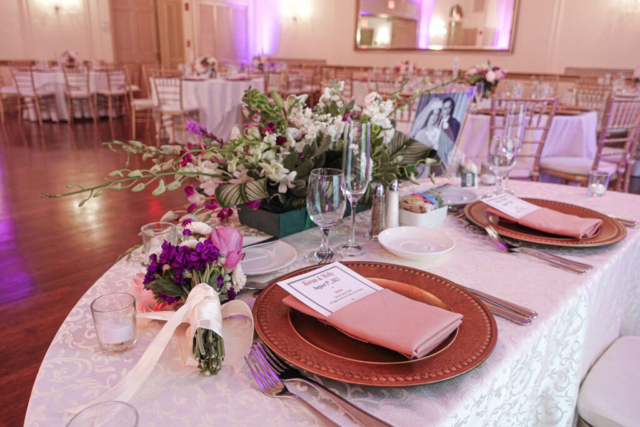
3 West Club regularly ranks among the best wedding venues in Manhattan, thanks to a dedicated in-house event team, customizable packages, and a historic building that photographs beautifully in every season. Our wedding spaces accommodate intimate gatherings and larger celebrations alike, and our team works with a curated list of recommended vendors to make planning simple from start to finish. If you would like to see why so many couples choose us, take a look at our elegant event spaces or reach out today to book a tour.
FAQS
How do I know which wedding venue is the best fit for my style?
Start by defining your wedding style- classic, modern, intimate, or grand- then tour venues that already lean in that direction. A space with the right architectural bones needs far less styling to match your vision.
What should be included when comparing top wedding venues in Manhattan?
Compare base package inclusions, catering options, coordination support, and any restrictions on vendors or timing. These details often matter more than the initial price tag.
Do the best venues typically require a minimum guest count?
Many venues set a minimum guest count or spending requirement, particularly for weekend dates. It is worth confirming this early so it does not affect your planning down the line.
How much does a top-tier Manhattan wedding venue usually cost?
Pricing varies widely based on guest count, season, and day of the week, so it is best to request a detailed quote directly from each venue you are considering.
Should I book a venue before or after hiring a wedding planner?
Many couples book the venue first since it shapes the guest count, budget, and overall style of the day. From there, a planner can help coordinate vendors and details around the venue’s timeline. Couples can also review New York State’s marriage license requirements early in the planning process to keep the paperwork on track.
Reserve Your Hotel Conference Room Rental Today!
To Start Planning Your Event

Jonah Wilson, MBA, is the Marketing and Events Manager at 3 West Club, a historic Manhattan venue known for its timeless “Old New York” elegance and premier event experiences. With expertise spanning hospitality, entertainment, fintech, and consumer goods, Jonah specializes in developing strategic marketing campaigns that drive brand growth, elevate guest experiences, and increase engagement. His passion for innovation, analytics, and consumer insights helps position 3 West Club as a leading destination for weddings, corporate events, and overnight stays in the heart of New York City.