- 3 W 51st Street, New York, NY 10019
- (212) 582-5454

How a Rooftop Events Space in Manhattan Sets a Different Mood Than an Indoor Ballroom

What to Look for in a Rooftop Events Space in NYC Before You Book Your Date
June 2, 2026
Is an Outdoor Event Space in Manhattan the Right Choice for a Spring or Fall Celebration?
June 9, 2026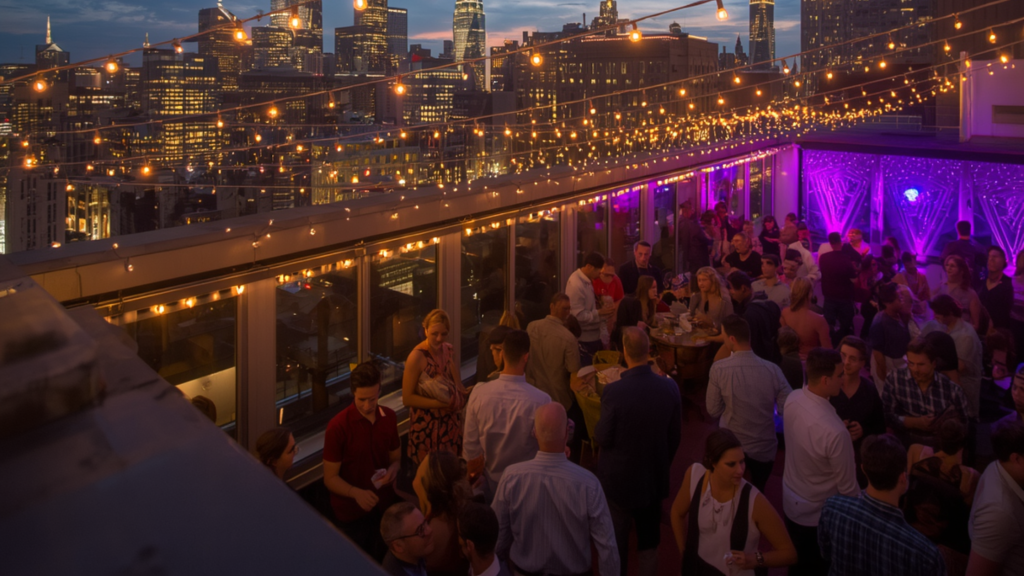
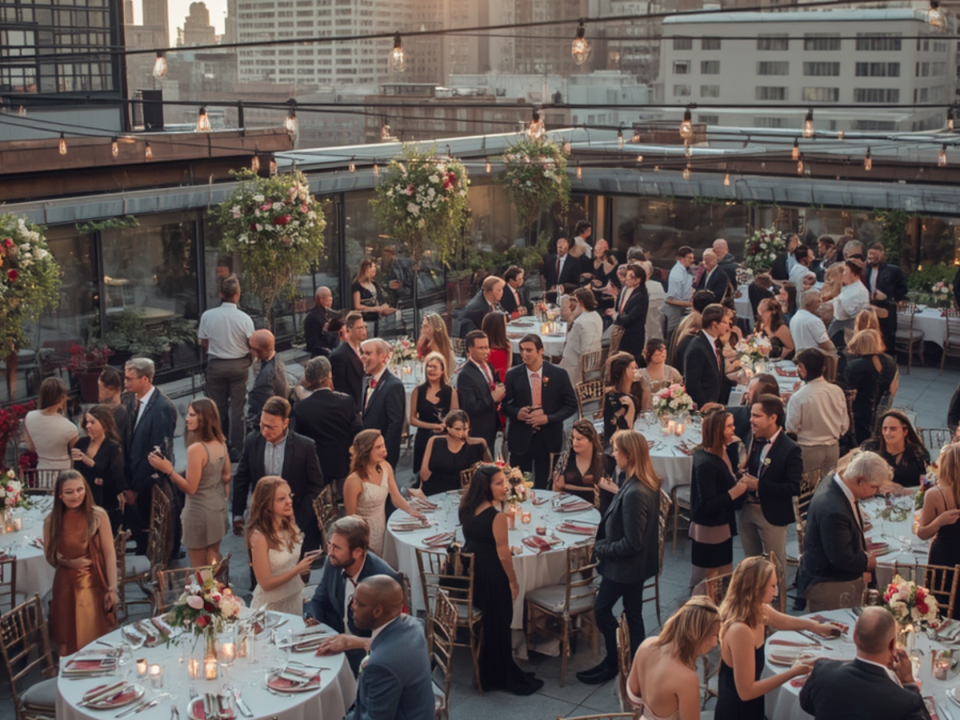
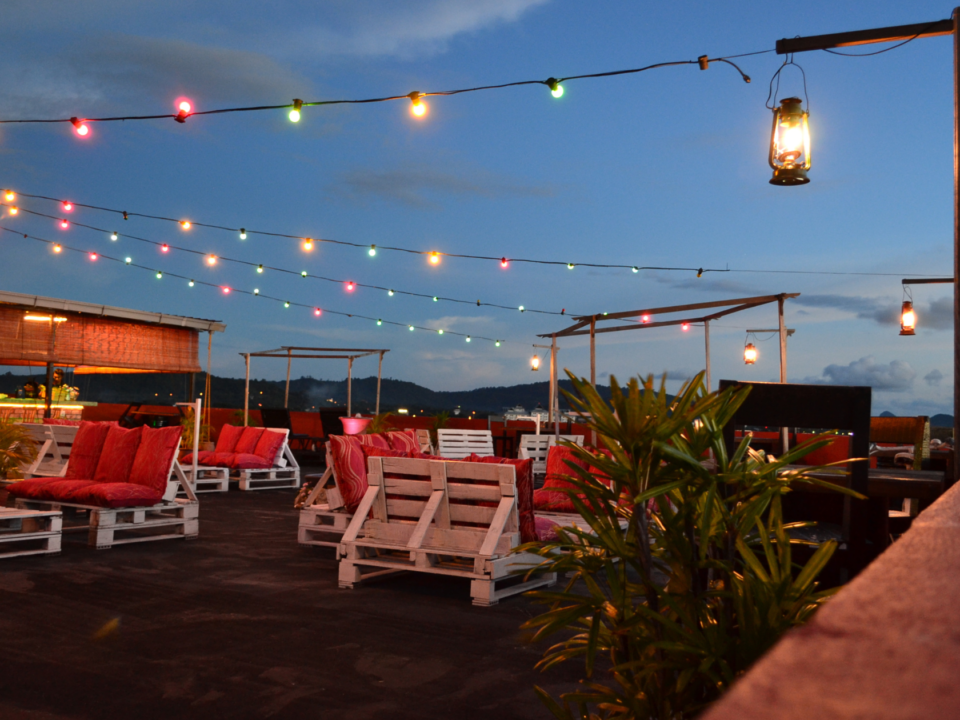
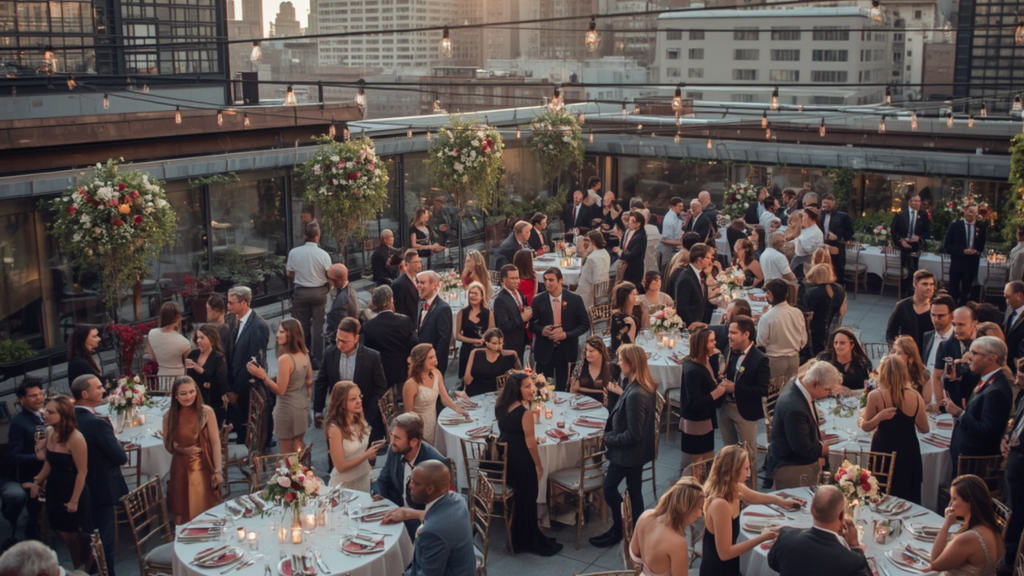
There is a moment every host notices, the shift in energy when guests move from an enclosed room out into open air with the city spread around them. A rooftop events space in Manhattan creates an atmosphere that a closed ballroom simply cannot, and that difference quietly shapes everything from how people mingle to how the photographs turn out.
Neither setting is better in every situation. They feel different, and they serve different kinds of nights. This post looks closely at how each one shapes a celebration, so you can match the space to the mood you actually want.
Arrival Sets the Tone for Everything After
First impressions land in the first ten seconds, and the two settings open very differently. A rooftop greets guests with light, air, and a view, an instant signal that this night is special and a little out of the ordinary. People slow down, look up, and reach for their phones before they have even found the bar.
A ballroom makes its case through scale and polish. High ceilings, considered lighting, and a sense of grandeur tell guests they have walked into an occasion. The effect is real, though it leans on design and decor to create what a rooftop delivers for free with the skyline.
Think about the feeling you want guests to carry into the rest of the evening. Open and airy, or grand and composed, the entrance moment sets the tone, and the rest of the night tends to follow its lead.
Light and Time of Day Do the Heavy Lifting
A rooftop comes with a built-in lighting designer, the sky. Golden hour softens everything, sunset gives you a backdrop money cannot buy, and the slow shift into a lit-up skyline changes the mood without anyone touching a dimmer. Schedule your key moments around that arc, and the space does the work for you.
Indoors, you control the light completely, which is its own kind of advantage. A ballroom can hold a warm, consistent glow from the first guest to the last dance, unaffected by clouds or season. The tradeoff is that you have to build that atmosphere deliberately, where a rooftop hands it to you.
For evening events, especially, the difference is striking. City lights turn a terrace into something cinematic, while a ballroom offers a steady, flattering warmth that never wavers. Both work beautifully. They simply create different kinds of beauty.
Season changes the calculation as well. Long summer evenings stretch a rooftop’s golden hour late into the night, while shorter winter days push the best light earlier and make a warmly lit interior more appealing. Matching your event’s timing to the season is one of the simplest ways to get the most from whichever setting you choose.
How Guests Move and Mingle
Layout shapes behavior more than most hosts realize. Open rooftop floor plans encourage circulation, so guests drift, regroup, and strike up conversations they might not have indoors. That loose, social energy suits cocktail reception, milestone celebration, and any event where mingling is the point.
A ballroom with fixed seating creates structure, and structure has its place. Formal seated dinners, award programs, and events with a clear schedule benefit from defined places and clear sightlines to a stage or head table. Guests know where to be and when, and the evening moves with purpose.
The right choice comes down to what you want the night to do. If conversation and atmosphere lead, an open setting helps. If the ceremony and program lead, a structured room helps. Versatile event spaces let you lean either way depending on the occasion.
Photographs That Sell Themselves
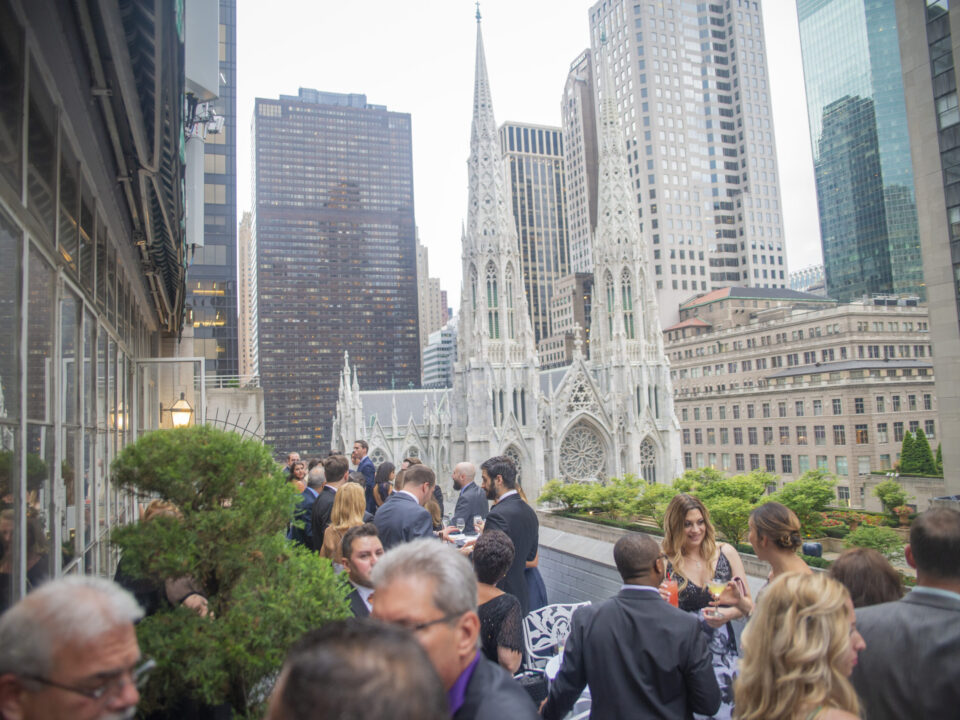
Few things outlast an event longer than its photos, and the setting writes half the story. A rooftop hands your photographer a skyline, natural light, and depth that needs almost no styling. The images feel alive, anchored in a specific place and moment that guests recognize instantly.
Indoor spaces offer a different strength, controlled and consistent results that do not depend on the weather or the clock. A well-designed ballroom gives a photographer reliable light and elegant backdrops in every frame, which matters for formal portraits and for weddings where the look needs to stay cohesive from ceremony to last dance.
When the Ballroom Still Wins
Photos are where many hosts make their final call. If you want images full of city light and natural depth, an open setting delivers them with little effort. If you want a uniform, formal look that holds across every shot, an interior space gives your photographer the control to achieve it, which is worth weighing before you commit.
For all its charm, a rooftop is not the answer for every event. Large formal seated dinners, full climate control, and dependable acoustics all favor an interior space. If your date cannot move and the program cannot bend to the weather, a ballroom removes the biggest variable from the equation.
Acoustics deserve special mention. Speeches, presentations, and a structured agenda land more cleanly indoors, where sound stays put. For corporate events built around content and a clear run of show, that reliability is worth more than a view, and it keeps the message front and center.
Weather, Season, and Certainty
A ballroom offers one thing a rooftop never can, complete certainty. The temperature stays where you set it, the program runs on schedule regardless of the sky, and no part of the plan depends on a forecast. For a date that cannot move or an event with a tight agenda, that reliability carries real weight.
A rooftop asks for a little more flexibility in exchange for its atmosphere. Spring and fall reward outdoor events with comfortable air and soft light, while summer evenings shine once the heat eases, and a strong venue always keeps a covered option ready. The open-air feeling is worth planning around, as long as you plan around it honestly.
Cost follows the same logic. A rooftop can carry a premium in peak season because the view is part of the product, while a ballroom often prices more evenly across the year. Neither is simply cheaper, and the better value depends on which qualities matter most for your particular celebration.
The smartest hosts weigh these tradeoffs early rather than late. Knowing how much certainty you need, how flexible your date can be, and where your budget should go makes the choice between open air and enclosed elegance far easier to settle.
Choosing the Mood That Fits Your Night
A rooftop events space in Manhattan trades formality for openness, light, and atmosphere, while a ballroom offers control, scale, and certainty. Once you know the feeling you want guests to carry home, the choice usually makes itself.
The good news is that you do not always have to pick one and abandon the other, since the strongest venues give you both within reach.
Find Both Settings at the 3 West Club
In the end, the setting is a tool for creating a feeling, and you know your guests better than anyone. Picture the night you want them to remember, then choose the space that brings that picture to life, whether it is open to the sky or wrapped in classic elegance.
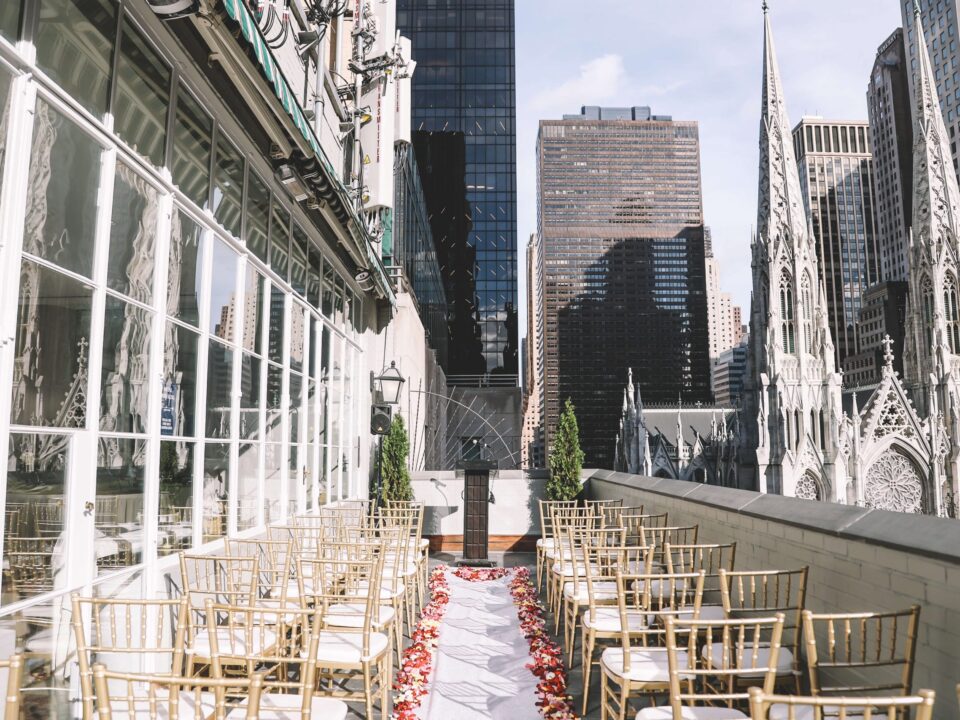
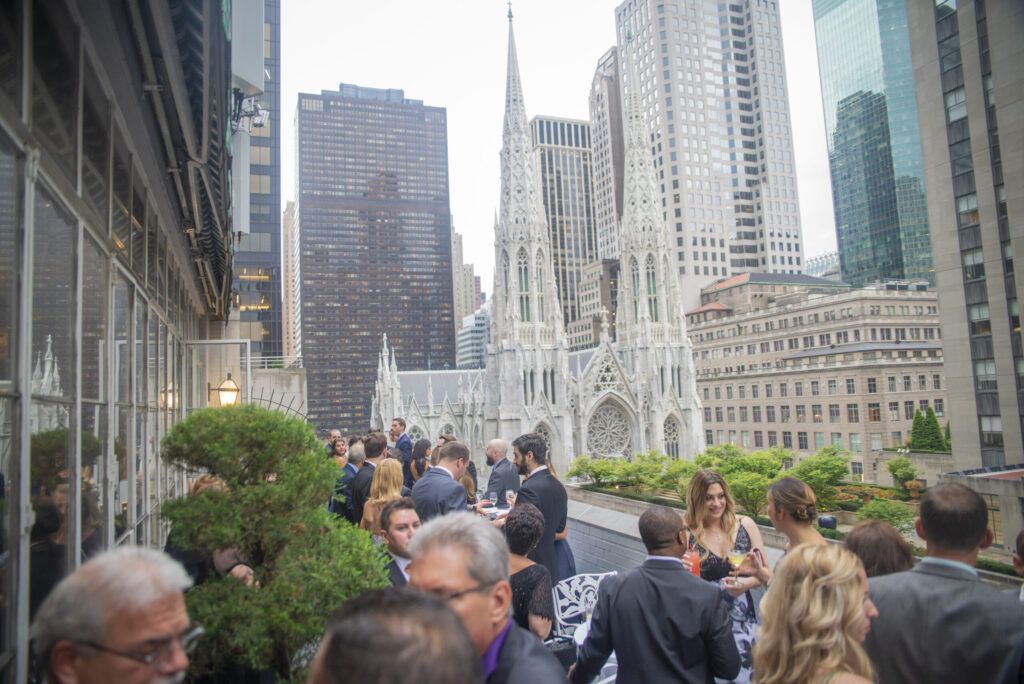
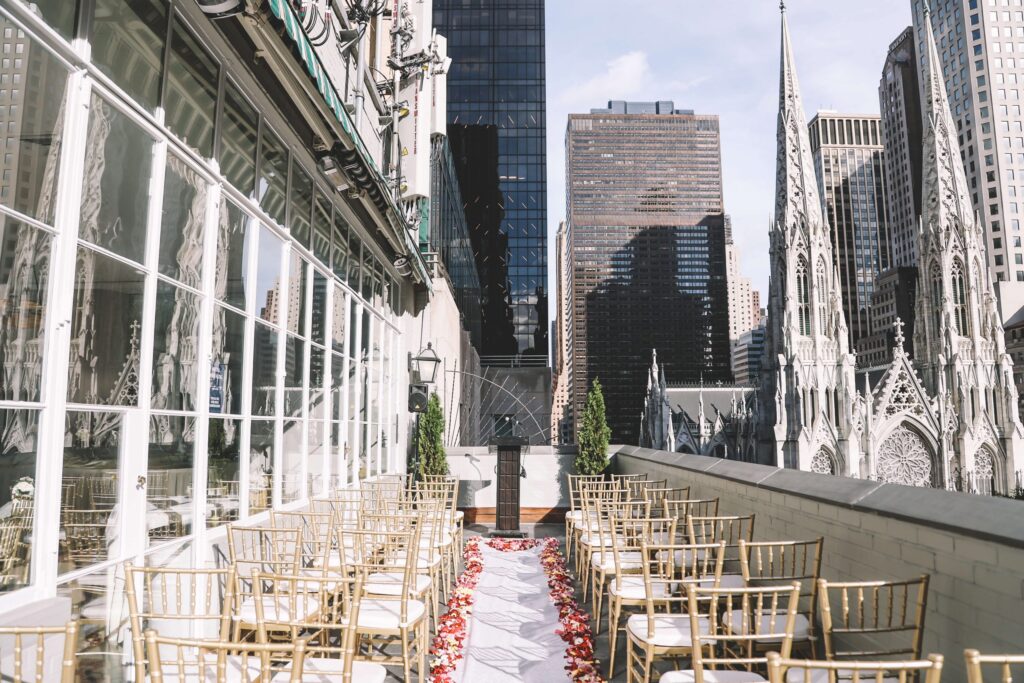
3 West Club brings open city views and historic interiors together under one Midtown roof, from grand event spaces to the Solarium terrace overlooking St. Patrick’s Cathedral. Whether you are planning a wedding, a corporate gathering, or an intimate celebration, the team helps match the setting to the moment you have in mind.
See the spaces in the photo gallery, then contact us to start planning.
Frequently Asked Questions
Is a rooftop or a ballroom better for a wedding?
Both can be wonderful, and the answer depends on the feeling you want. A rooftop offers romance, light, and a skyline backdrop, while a ballroom offers grandeur, climate control, and weather certainty. Many couples use both a terrace for the ceremony or cocktails and an interior space for dinner and dancing.
Can a rooftop space handle a formal seated dinner?
Often yes, though capacity drops compared to a standing reception, and you will want a clear weather backup. Confirm the seated count for the terrace specifically, and check that the venue can move dinner indoors smoothly if conditions change.
How do I keep guests comfortable outdoors after dark?
Plan for the temperature swing. Heaters, a sheltered area, and timing that accounts for the evening chill go a long way, and a quick note to guests about dressing for an outdoor setting helps them prepare without a second thought.
Do rooftop venues cost more than ballrooms?
They sometimes carry a premium, especially in peak season, since the view is part of the appeal. Whether the cost is worth it comes down to how much the open-air atmosphere matters for your particular event.
Which setting photographs better in the evening?
Each has a clear strength. A rooftop captures dramatic city lights and natural depth, while a ballroom delivers consistent, flattering light regardless of the weather. The better choice depends on whether you want an atmosphere driven by the city or a controlled, cohesive look.
Reserve Your Hotel Conference Room Rental Today!
To Start Planning Your Event

Jonah Wilson, MBA, is the Marketing and Events Manager at 3 West Club, a historic Manhattan venue known for its timeless “Old New York” elegance and premier event experiences. With expertise spanning hospitality, entertainment, fintech, and consumer goods, Jonah specializes in developing strategic marketing campaigns that drive brand growth, elevate guest experiences, and increase engagement. His passion for innovation, analytics, and consumer insights helps position 3 West Club as a leading destination for weddings, corporate events, and overnight stays in the heart of New York City.