- 3 W 51st Street, New York, NY 10019
- (212) 582-5454

What to Look for in a Rooftop Events Space in NYC Before You Book Your Date

What Should You Look for in an Outdoor Event Space in Midtown Manhattan for Large Events?
May 25, 2026
How a Rooftop Events Space in Manhattan Sets a Different Mood Than an Indoor Ballroom
June 5, 2026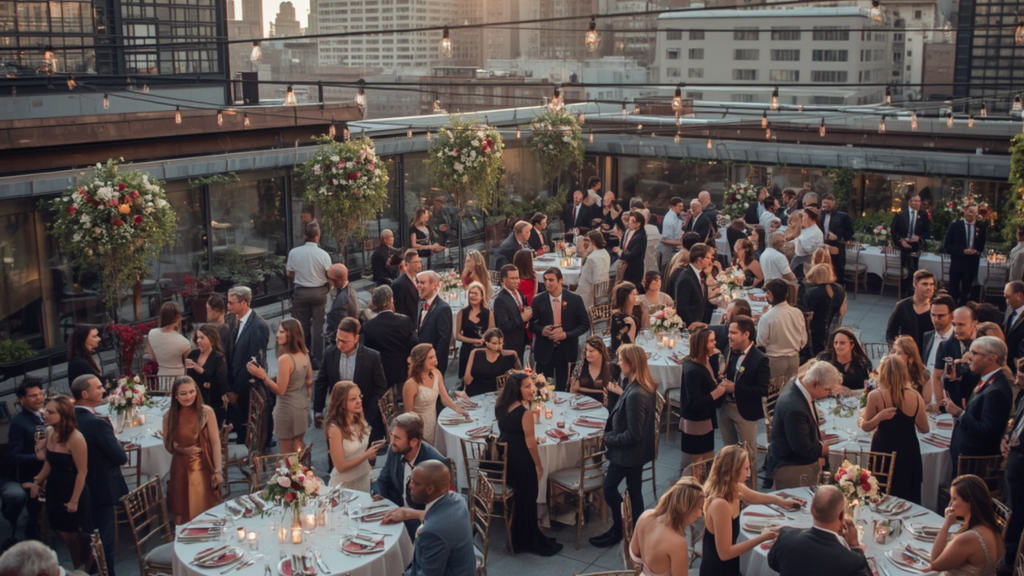
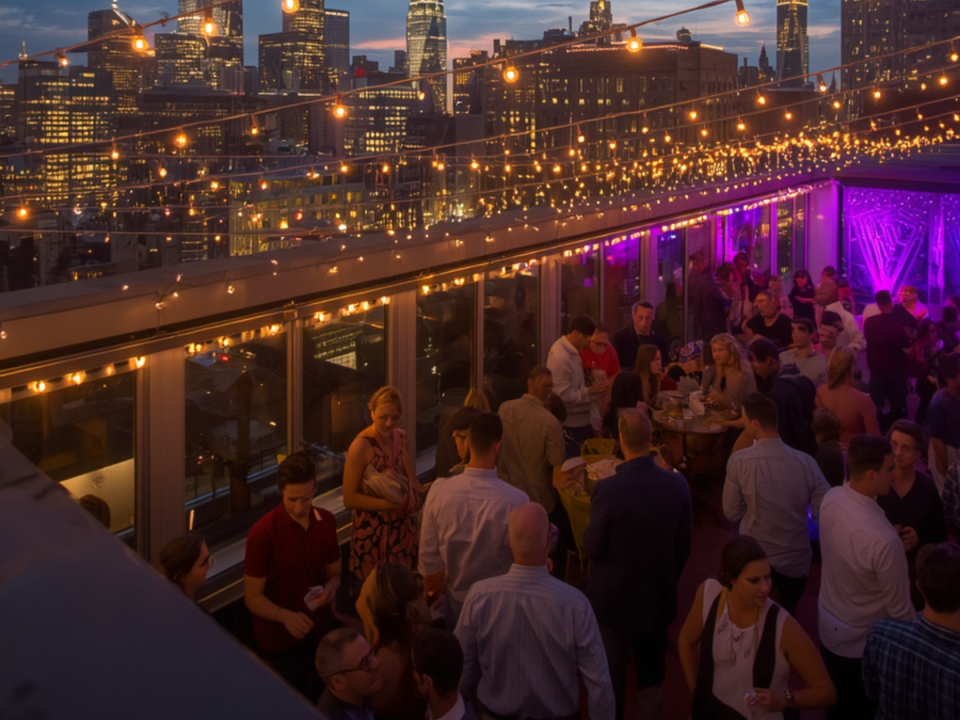
The view sells the room before anything else does. The moment guests step out onto a terrace, and the skyline opens up around them, they already sense the night is going to feel different. That first impression is exactly why a rooftop events space in NYC sits at the top of so many planning lists, and why hosts are willing to search for weeks to find the right one.
Here is the part that gets overlooked. A great view is only one piece of a decision that also involves capacity, weather, vendor access, and a handful of details most people never think to ask about until something goes sideways on the day. This guide walks through what actually separates a rooftop you will love from one you will wish you had questioned more closely, so you can sign with confidence.
The View Is Only Half the Story
Every rooftop photographs well in a listing. The real question is how the view performs during your specific event, at your specific hour. A terrace that faces west turns golden at sunset and glows through cocktail hour, while an east-facing space might fall into shadow earlier than you expect. Ask which direction the main gathering area faces, and ask to see photos taken at the time of day your event will actually run.
Sightlines matter just as much as the view itself. The prettiest angle is often reserved for the photo corner, while the seating and bar areas look out at the building next door. Walk the space and stand where your guests will stand. If the skyline only works from one spot, the room will feel smaller than the square footage suggests.
Surrounding buildings also frame or block what you came for. A terrace twelve floors up can sit in the shadow of a taller neighbor, so confirm that the floor and layout give you the open outlook the photos promised.
Capacity Changes Once You Step Outside
Indoor capacity and rooftop capacity are rarely the same number. A venue that comfortably seats two hundred guests inside may only hold eighty to a hundred on its terrace once you account for bars, a buffet or service stations, and room to move. Open floors need breathing space, and a crowd that feels lively indoors can feel cramped outdoors.
Always confirm the permitted rooftop capacity separately from the building total, and ask how that number shifts between a standing reception and a seated dinner. Seated service eats up far more space, and the difference can change your entire guest list. Getting this number in writing early saves you from awkward cuts later.
It also helps to picture the flow. Guests arrive, gather, eat, and celebrate, and each phase needs its own zone. The best venues offer flexible interior spaces alongside the terrace, so the evening can move indoors and back out without losing momentum.
Weather Is the Planning Partner You Did Not Invite
No host controls the forecast, which is why the smartest rooftop bookings build weather into the plan from the first conversation. Wind picks up at height, the afternoon sun can be punishing in summer, and an evening in spring or fall can turn cool fast. None of this ruins an event when you prepare for it, and all of it can when you do not.
The single most important question to ask is what the backup looks like. The strongest rooftop venues offer a covered or connected indoor space that matches the terrace in quality, so a sudden shift moves the party rather than ending it. Ask how guests would transition, how much notice the team needs to make the call, and whether the indoor option feels like a true second home rather than a holding pen.
Comfort details carry the rest. Heaters extend a cool evening, fans and shade make a summer afternoon bearable, and a few hydration stations keep guests happy without anyone noticing the effort. These touches signal that the host thought ahead, and guests feel it even when they cannot name it.
Logistics Happen Behind the Scenes
A rooftop sits at the top of a building, which means everything has to travel up. Elevator capacity, vendor load-in windows, and setup time all shape what is possible, especially for florals, catering, and any staging or sound equipment. Ask how vendors access the space and how much time they have before guests arrive.
City rules add another layer. Many buildings carry noise restrictions and end-of-night curfews, particularly in residential areas, so confirm the hard stop before you plan a late celebration. Power and kitchen access matter too, since outdoor floors do not always carry the electrical load for amplified music, a full bar, and a working service line at the same time.
If your celebration runs long, ask about on-site rooms. Having the option for guests to stay in the same building removes the late-night logistics scramble and lets the evening end naturally. A venue with on-site guest rooms turns a great party into an easy one.
Catering and Bar Service in the Open Air
Food and drink behave differently outdoors, and the best rooftop venues plan for it. A kitchen with direct access to the terrace keeps plates hot and service quick, while a setup that forces staff to cross the building slows everything down and shows in the guest experience. Ask where the kitchen sits in relation to the terrace and how the team manages timing for a seated meal at height.
Bar placement shapes the flow of the whole event. A single bar tucked in a corner creates lines and bottlenecks, while two well-placed stations keep guests moving and conversation going. Talk through the service plan in advance, including how many staff will work the floor, so the celebration never stalls while people wait for a drink.
Menus suited to the setting help too. Dishes that hold up in open air, easy passed bites for a standing reception, and a thoughtful bar list all make a rooftop event feel effortless. A venue with an in-house culinary team can tailor the menu to both the space and the season, which is one less vendor for you to coordinate.
Bringing It All Together
The right rooftop events space in NYC balances the view everyone remembers with the practical comfort that keeps the night running on schedule. When the capacity fits, the weather plan is real, and the logistics are handled, the skyline gets to do what it does best, which is give your guests a backdrop they will talk about long after the last toast.
Ask these questions early, get the answers in writing, and you turn a beautiful listing into a smooth, memorable event.
Plan Your Rooftop Event at 3 West Club
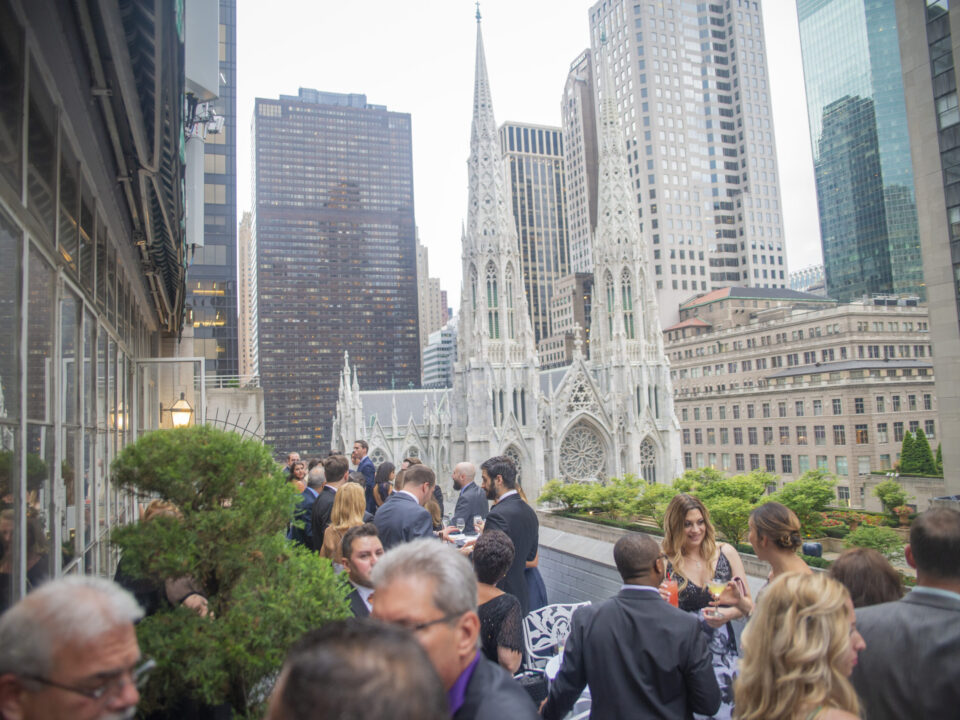
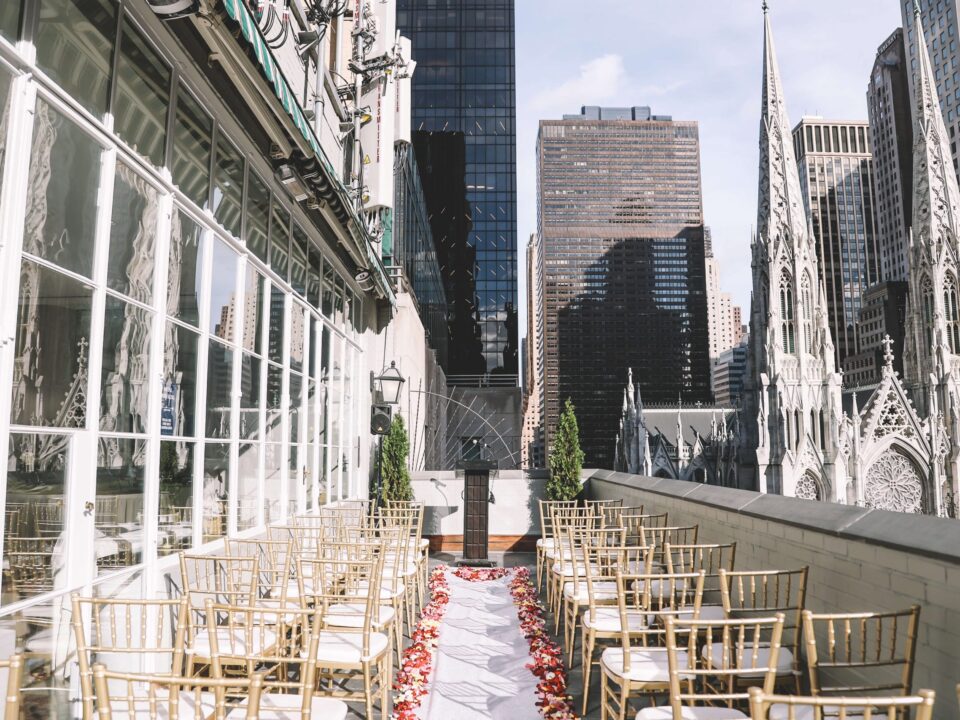
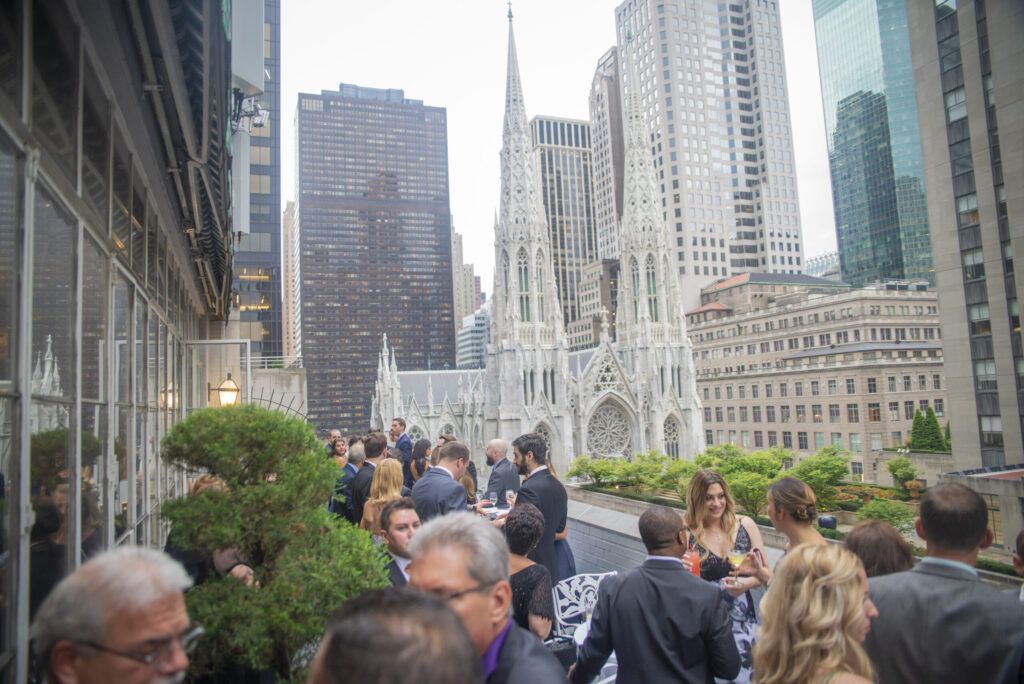
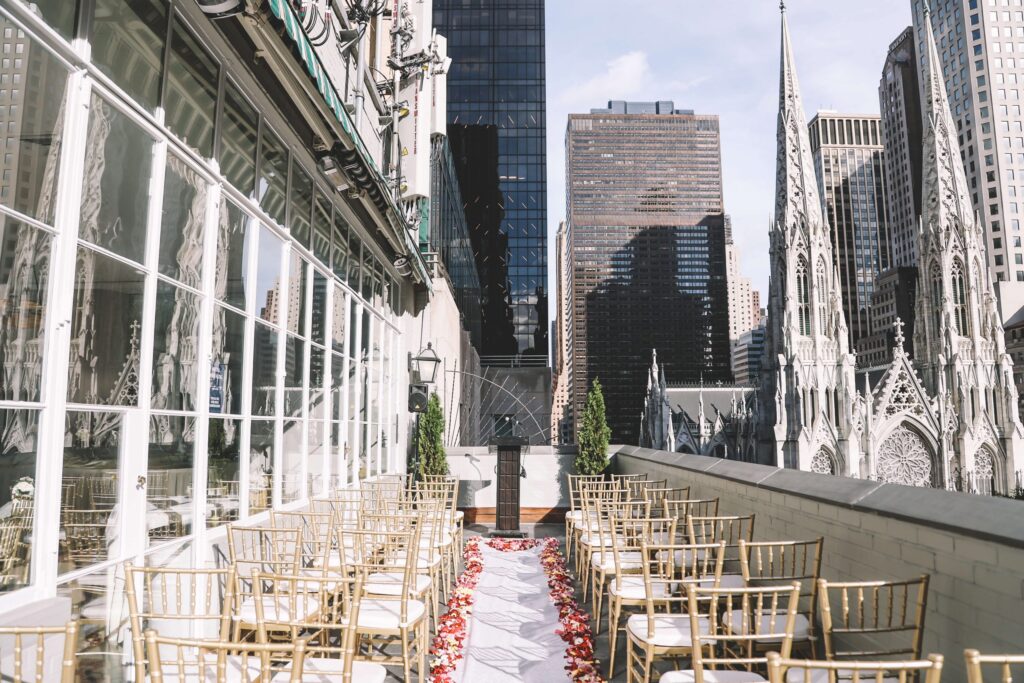
3 West Club at 3 West 51st Street pairs a Midtown rooftop terrace with six interior event spaces, including the Solarium and its private terrace overlooking St. Patrick’s Cathedral, so a weather backup is built in rather than improvised. The team handles in-house catering, supports weddings and social celebrations of nearly every size, and even offers a relaxed on-site pub for guests who want to unwind after the event.
Browse the photo gallery to see the spaces in action, then contact the team to check availability and schedule a tour.
Frequently Asked Questions
How far ahead should I book a rooftop events space in NYC?
For popular dates, six to twelve months ahead is a safe window, and longer for Saturday evenings in spring and fall. Rooftop demand spikes in warmer months, so the earlier you reach out, the more flexibility you keep on date, layout, and pricing.
What happens to my event if it rains on the date?
That depends entirely on the venue, which is why you should ask before booking. The best rooftop spaces offer a connected indoor area that matches the terrace, so the event simply moves under cover. Confirm how the transition works and how much notice the team needs to make the call.
How many guests can a rooftop terrace usually hold compared to the indoor space?
Often fewer than you would expect. A terrace tends to hold a smaller crowd than the indoor capacity of the same venue, since bars, service areas, and circulation take up open space. Always confirm the rooftop number separately and check how it changes for a seated dinner.
Are rooftop events more expensive than indoor ones?
They can carry a premium, especially in peak season, because the view and the setting are part of what you are paying for. The value comes from the atmosphere the space creates, which is hard to replicate indoors at any price.
Can a rooftop space handle amplified music and speeches?
Not everyone can, so ask early. Outdoor acoustics behave differently, and some terraces lack the power and infrastructure for amplified sound at a level that carries across a larger group. Get the specifics in writing before you plan a program around it.
Reserve Your Hotel Conference Room Rental Today!
To Start Planning Your Event

Jonah Wilson, MBA, is the Marketing and Events Manager at 3 West Club, a historic Manhattan venue known for its timeless “Old New York” elegance and premier event experiences. With expertise spanning hospitality, entertainment, fintech, and consumer goods, Jonah specializes in developing strategic marketing campaigns that drive brand growth, elevate guest experiences, and increase engagement. His passion for innovation, analytics, and consumer insights helps position 3 West Club as a leading destination for weddings, corporate events, and overnight stays in the heart of New York City.