- 3 W 51st Street, New York, NY 10019
- (212) 582-5454

Why Are Clients Choosing a Rooftop Events Space in Manhattan for Luxury Gatherings?

How Can a Rooftop Events Space in NYC Elevate Your Next Celebration?
May 10, 2026
What Should You Look for in an Outdoor Event Space in Midtown Manhattan for Large Events?
May 25, 2026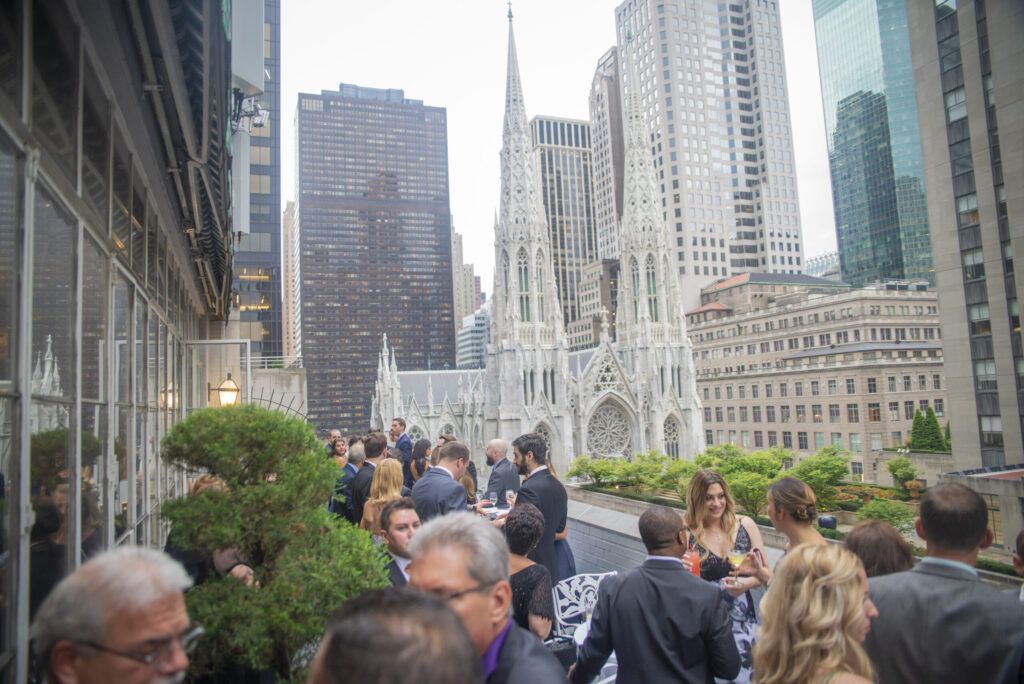
The way luxury clients choose event venues has shifted. A decade ago, the instinct was to book the biggest ballroom in the most recognized hotel in Manhattan, and the status of the address carried the event. Today’s clients, whether they’re corporate executives planning a high-end retreat or private hosts organizing a landmark celebration, think about experience before square footage. And increasingly, that thinking leads them to a rooftop events space in Manhattan. Here’s exactly why.
The Exclusivity Factor Matters to Luxury Clients
Luxury events are defined as much by what they’re not as by what they are. They’re not generic. They’re not interchangeable. They don’t feel like the last event held in the same room or the next one scheduled for the following weekend.
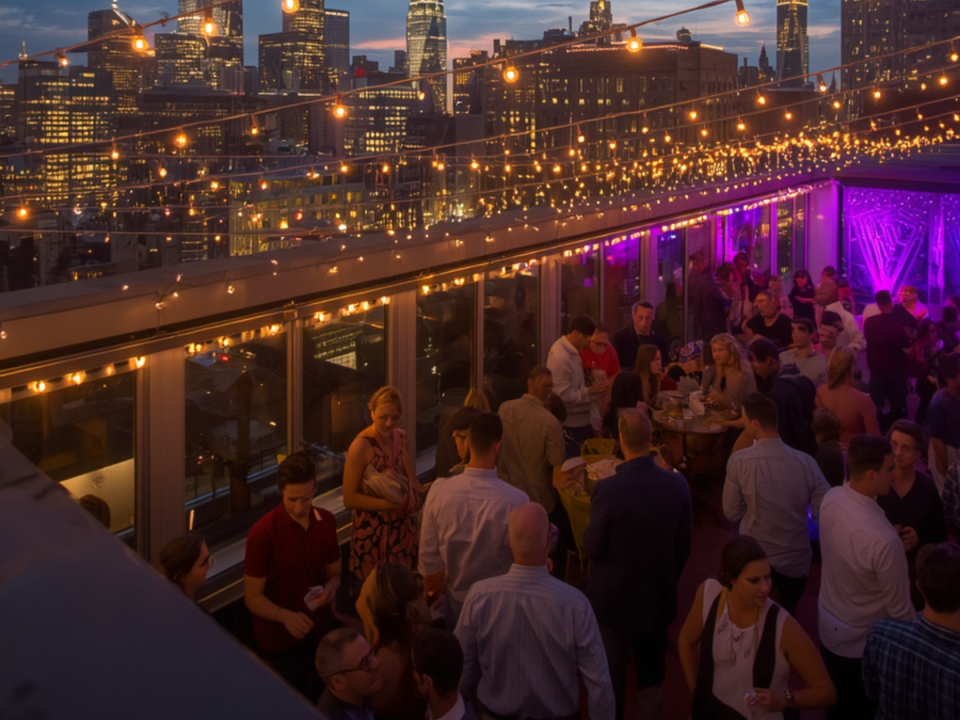
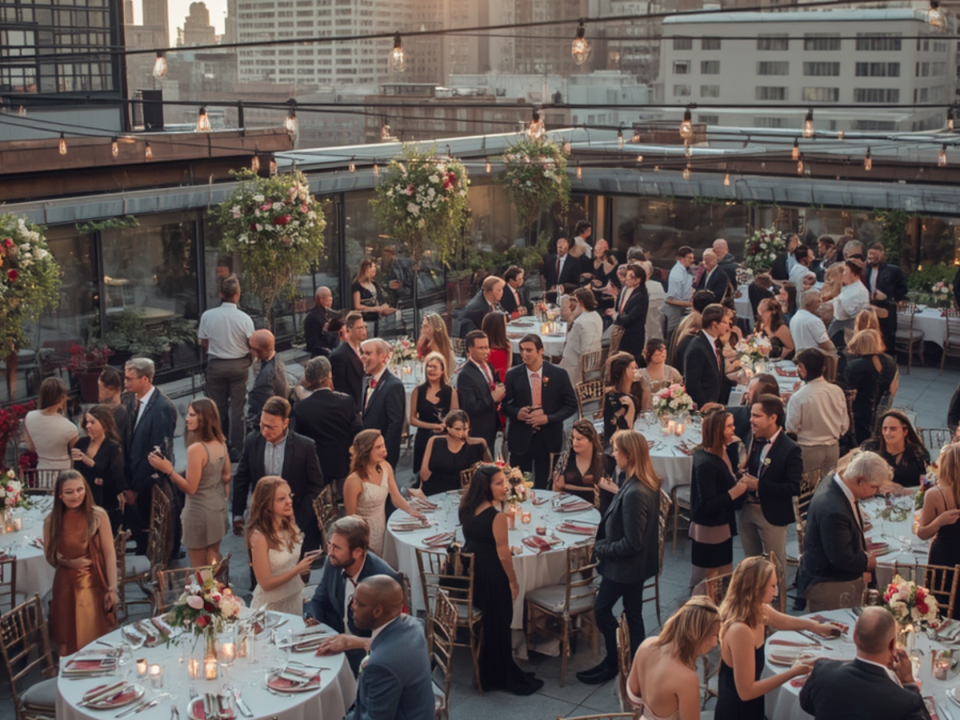
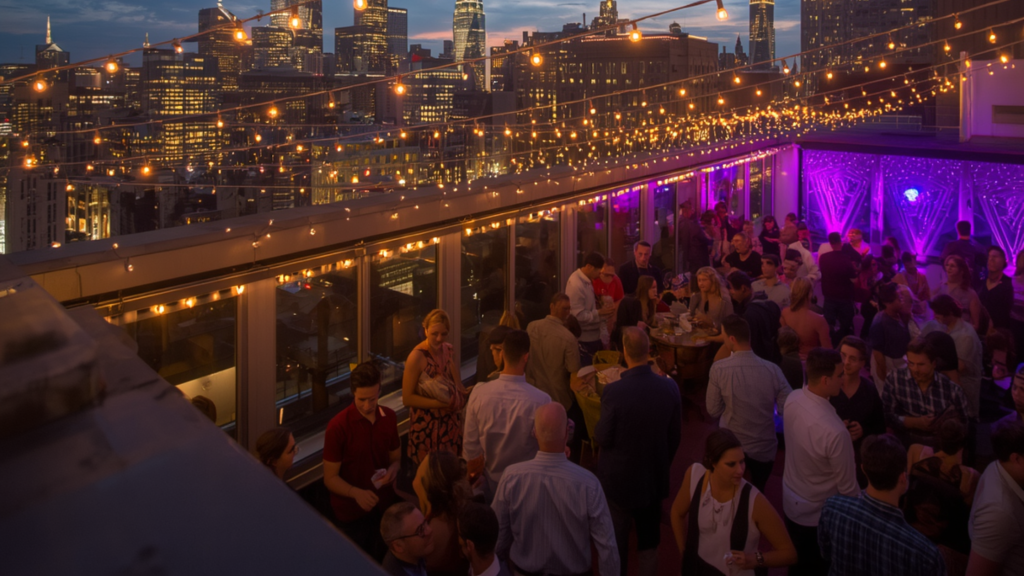
A rooftop events space carries an inherent exclusivity that traditional ballrooms struggle to offer. The naturally limited capacity of a terrace or elevated outdoor area creates intimacy by design. Guests don’t feel like they’re part of a crowd; they feel like they’re part of something curated. That distinction, being invited to somewhere specific rather than somewhere simply large, is precisely the signal that luxury hosts want to send.
The elevated vantage point contributes to this feeling as well. Standing above the city, above the street-level traffic and the sidewalk crowds, creates a physical and psychological remove from the ordinary. The event occupies a different plane from everyday Manhattan life, and that separation is exactly what luxury gatherings need to justify the occasion.
Historic Venues Carry a Prestige That New Builds Don’t
Manhattan has no shortage of sleek, modern event venues. Glass and steel, minimalist interiors, and contemporary design are accessible at dozens of locations across Midtown and Downtown. What those spaces can’t offer is the accumulated character of a building that has been part of the city’s history for decades.
Landmarked buildings communicate something before a single event detail is arranged. The architectural craftsmanship, the original materials, and the considered proportions of rooms built to impress all of it tell a story that modern construction cannot replicate. For luxury clients, that story matters. It signals that the venue has earned its place in the city’s fabric, and by extension, that the event held there carries the same weight.
Austrian crystal chandeliers, 20-foot ceilings, ornate plasterwork, and rooms that have hosted generations of notable gatherings speak to guests viscerally. Those details don’t require explanation or signage. They register immediately, and they set a standard of quality that every other element of the event is expected to meet.
When a historic building also offers a rooftop terrace, the combination becomes genuinely rare. The contrast between the architectural gravitas of the interior and the open-air freedom of the rooftop creates a complete event experience, one that moves from formal grandeur to elevated intimacy across the course of an evening.
Luxury Gatherings Require Seamless Service, Not Just Beautiful Spaces
The most common failure point in luxury events isn’t the venue. It’s the gap between the quality of the space and the quality of the service. A stunning room with disorganized catering, uncoordinated staff, or an event planning process that feels like pulling teeth undermines everything the space offers.
Luxury clients choose venues where the service infrastructure matches the aesthetic. That means a dedicated event planning team that takes genuine ownership of the details, an in-house culinary team capable of designing and executing multi-course menus at the level the setting demands, and service staff who understand the pace and tone required for a high-end gathering.
It also means that the planning process itself feels like a collaboration rather than a transaction. The best luxury event venues sit down with clients, understand the vision, and return with options that elevate rather than just accommodate. Floor plans, menu pairings, décor integration, and timing all receive the same level of attention because luxury clients can tell the difference between a venue that cares and one that simply fills slots.
The Manhattan Location Adds Its Own Layer of Prestige
Location in Midtown Manhattan carries particular weight for luxury gatherings because of what surrounds it. Rockefeller Center, St. Patrick’s Cathedral, Radio City Music Hall, and some of the finest restaurants and hotels in the world sit within walking distance of the right Midtown address. For guests arriving from across the city, the broader tri-state area, or other cities entirely, the address communicates prestige before they ever step inside.
International guests especially respond to Midtown Manhattan as a destination. An event held here isn’t just an event in New York, it’s an event at the center of New York, at the precise location that the city’s global reputation is built on. For corporate gatherings with international delegations or private celebrations with guests arriving from abroad, that context adds a dimension that outer-borough or Downtown locations simply cannot replicate.
Accessibility from all directions, whether by subway, taxi, car service, or on foot from nearby hotels, also reduces the logistical friction that can quietly undermine a luxury experience before it even begins.
On-Site Rooms Keep the Luxury Experience Uninterrupted
The end of an event is where luxury venues often lose ground. Guests scatter, the energy dissipates quickly, and what was an exceptional evening becomes a logistical exercise in getting everyone home. For luxury gatherings where the guest list includes VIPs, out-of-town executives, or honored guests who have traveled specifically for the occasion, on-site accommodation solves that problem entirely.
When overnight rooms are part of the same venue, the experience has no hard stop. Guests who want to continue the evening have somewhere to retreat to. Hosts who want to offer a complete hospitality experience can arrange breakfast or a morning gathering the following day. The event occupies a full arc rather than ending abruptly when the room needs to be cleared.
For corporate luxury events, guest room blocks simplify coordination significantly. Rather than managing reservations across multiple nearby hotels, a single venue handles the gathering, the dining, and the accommodation under one roof, giving the host full control over the overall guest experience.
3 West Club: Manhattan’s Address for Luxury Gatherings
3 West Club at 3 West 51st Street is one of Manhattan’s most storied landmarked venues, bringing together a rooftop terrace, six sophisticated event spaces, and 28 boutique hotel rooms within a single historic building in the heart of Midtown.
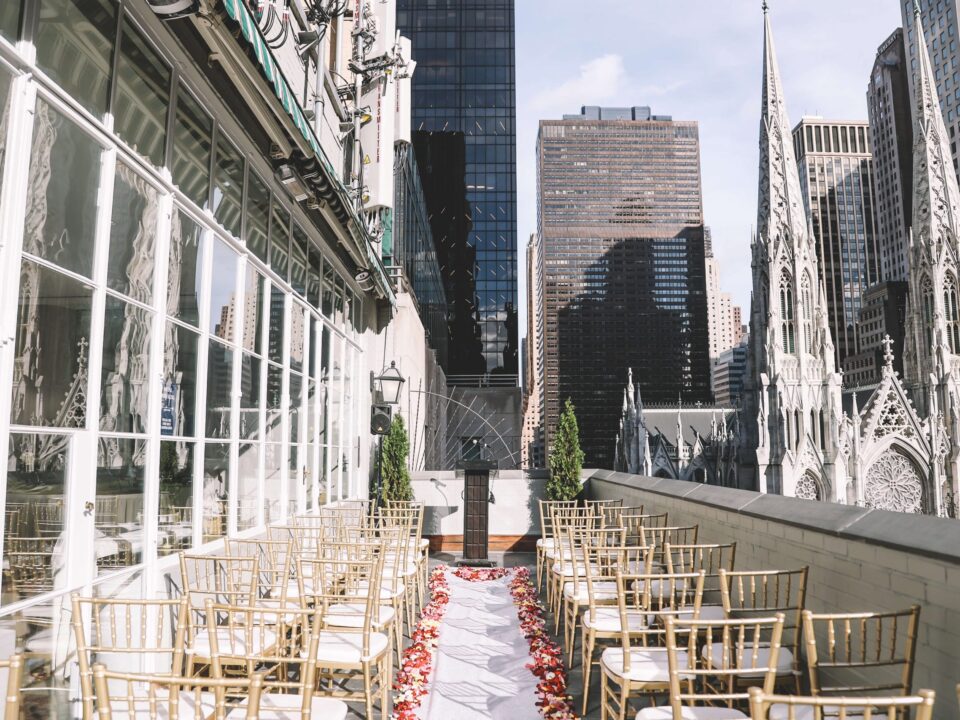
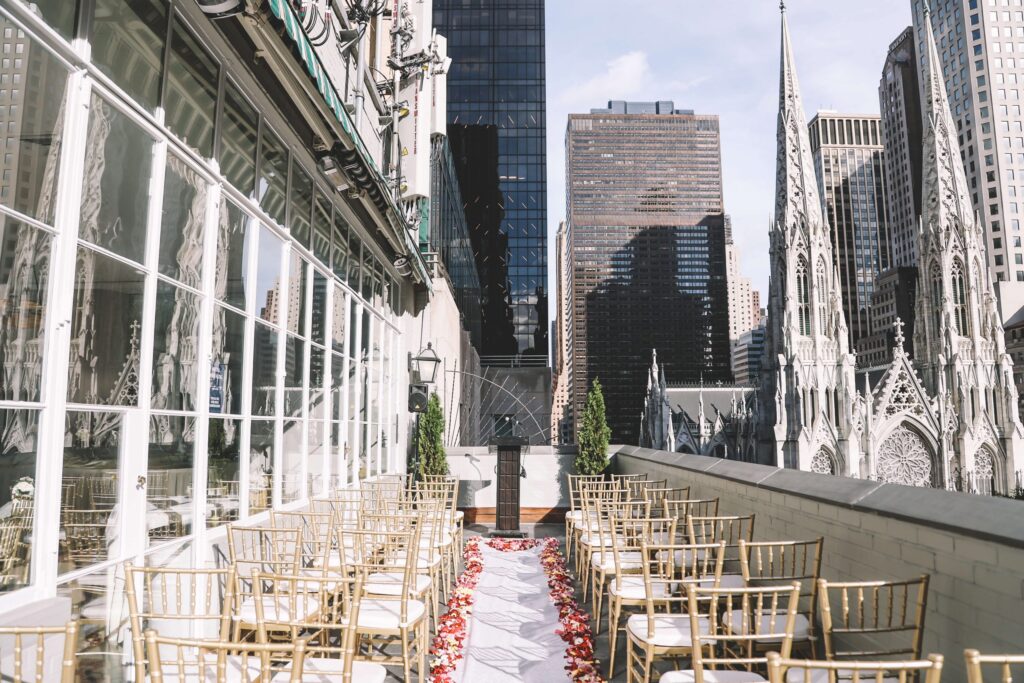
For corporate events at the luxury level, the Grand Ballroom with its 20-foot ceilings and Austrian crystal chandeliers, alongside the Solarium’s private terrace and floor-to-ceiling views of St. Patrick’s Cathedral, delivers the architectural prestige and service quality that executive clients expect. For private luxury celebrations and weddings, the dedicated event planning team develops every detail in close collaboration with the client, ensuring the space reflects the host’s vision rather than a generic event template.
To learn more about the venue’s history and approach, visit the about us page. When you’re ready to discuss a luxury gathering at one of Manhattan’s most distinguished event venues, contact the team to schedule a private consultation and tour.
Conclusion
The shift toward rooftop event spaces in Manhattan among luxury clientele reflects a deeper understanding of what makes an event genuinely memorable. Exclusivity, architectural heritage, seamless service, a prestigious Midtown location, and on-site accommodation all come together in the venues that luxury clients return to again and again. When every one of those elements aligns, the gathering doesn’t just meet expectations, it exceeds them in ways that guests carry with them long after the evening ends.
FAQs
What makes a rooftop events space in Manhattan suitable for luxury gatherings?
A rooftop events space in Manhattan combines the city’s visual drama with an elevated, intimate setting that standard ballrooms can’t replicate. For luxury gatherings, the most important factors are the overall character of the venue (historic buildings carry particular prestige), the level of in-house service available, and the ability to create a seamless indoor-outdoor experience that keeps guests comfortable and engaged throughout the event.
How do high-end rooftop venues in NYC differ from standard event spaces?
High-end rooftop venues offer more than just outdoor access. They typically include in-house catering from a dedicated culinary team, a full event planning team, flexible room configurations that serve different stages of an event, and on-site accommodation options. Standard event spaces may offer the terrace or outdoor area, but lack the service infrastructure and architectural character that define a genuinely luxurious experience.
Can a rooftop space in Manhattan accommodate formal seated dinners, not just cocktail events?
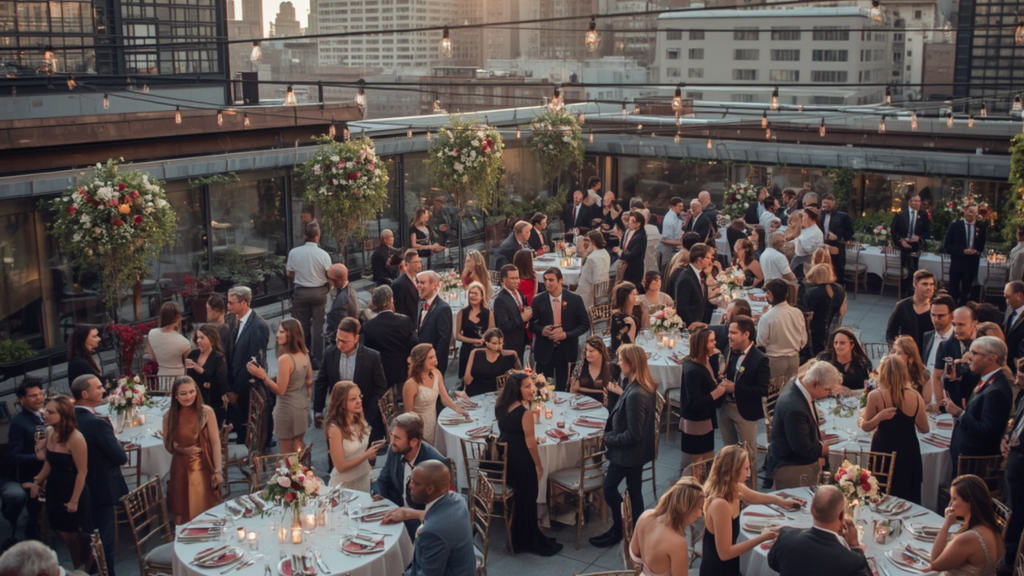
Yes, though this depends on the specific venue and terrace configuration. The best rooftop venues in Manhattan offer the option to set up formal dining on the terrace or in a connected indoor space that maintains the views and atmosphere of the rooftop setting. Always confirm table configuration options, catering capabilities for multi-course dining, and evening lighting setups before booking.
What services should a luxury event venue provide beyond just the space itself?
A luxury event venue should offer a dedicated event planning team that handles coordination from the first meeting through the event day, an in-house culinary team capable of creating customized menus at a high level, and professional service staff familiar with the expectations of high-end gatherings. The planning process itself should feel collaborative and responsive, not transactional.
Are historic venues in Manhattan better for upscale events than modern spaces?
Historic venues offer architectural character, craftsmanship, and a sense of occasion that modern buildings typically can’t replicate. Landmarked buildings in particular communicate prestige through their design alone, before any event detail is arranged. For luxury gatherings where the setting itself needs to signal quality and significance, historic venues in Manhattan tend to create more powerful first impressions than contemporary spaces, provided the service and maintenance meet modern standards.
Reserve Your Hotel Conference Room Rental Today!
To Start Planning Your Event

Jonah Wilson, MBA, is the Marketing and Events Manager at 3 West Club, a historic Manhattan venue known for its timeless “Old New York” elegance and premier event experiences. With expertise spanning hospitality, entertainment, fintech, and consumer goods, Jonah specializes in developing strategic marketing campaigns that drive brand growth, elevate guest experiences, and increase engagement. His passion for innovation, analytics, and consumer insights helps position 3 West Club as a leading destination for weddings, corporate events, and overnight stays in the heart of New York City.