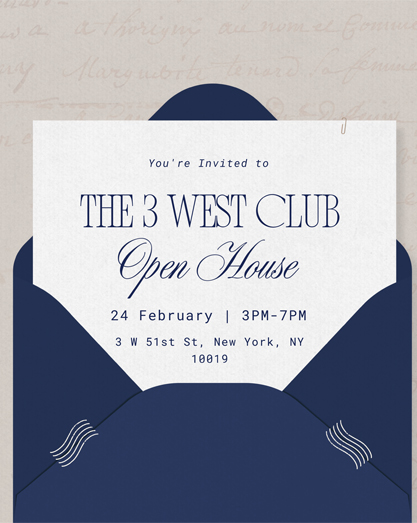
- 3 W 51st Street, New York, NY 10019
- (212) 582-5454

How NYC hotels for World Cup 2026 are upgrading services for international visitors

How To Choose The Best Hotel for FIFA World Cup Travel Based On Location And Stadium Access
January 5, 2026
Why is Early Booking Essential for the Best Hotel Stay for FIFA World Cup Events
January 7, 2026
When we speak about NYC hotels for World Cup 2026, we are describing far more than an increase in occupancy. We are witnessing a structural shift in how hospitality functions when a city becomes a meeting point for the world. The 2026 tournament introduces an unprecedented volume of international visitors, arriving with different languages, cultural habits, service expectations, and travel rhythms. This is not a short surge. It is a sustained global movement.
New York hotels are responding with care and precision. They are rethinking arrival flows, communication systems, dining formats, staffing models, and guest support frameworks. These upgrades are not decorative. They are operational. They acknowledge that international guests experience cities differently, especially during large-scale sporting events. The goal is no longer to impress. It is to orient, support, and steady.
Why World Cup 2026 Is Redefining Hospitality Standards in NYC
World Cup 2026 changes the pace of hospitality in New York. Unlike traditional tourism peaks, the tournament compresses demand into specific days and hours. Fans move in waves tied to match schedules. Arrival times cluster. Departures extend late into the night. Emotions run high, and patience often runs thin.
For NYC hotels for World Cup 2026, this environment requires a shift away from static service models. Standard operating procedures designed for leisure or business travel must evolve into flexible systems capable of absorbing pressure without breaking. Hospitality becomes less about presentation and more about flow.
Hotels are redefining success. A successful stay during the World Cup is one where guests feel informed rather than confused, supported rather than rushed, and welcomed rather than processed. This redefinition is shaping every layer of service design.
Understanding the International Visitor Profile for World Cup 2026
International visitors arriving for the World Cup are not a single audience. They represent dozens of cultures, languages, and expectations. Some guests arrive from countries where hospitality is highly formal. Others come from places where service is casual and communal. These differences shape how guests interpret tone, timing, and interaction.
Fan travel also differs from typical tourism. Schedules revolve around matches rather than attractions. Many guests attend multiple games across different locations. Downtime is irregular. Rest days matter as much as match days.
NYC hotels for World Cup 2026 must therefore plan for diversity at scale. Assumptions about familiarity with local systems cannot hold. Hotels must become places where global guests can quickly understand how things work without feeling out of place.
Multilingual Guest Services and Communication Upgrades
Clear communication is foundational. Hotels are expanding multilingual capacity across front desk, concierge, and guest services. This includes staff training as well as digital support systems.
Translation technology now supports check-in conversations, guest requests, and service explanations. Printed materials and digital directories appear in multiple languages. Signage prioritizes clarity and universality over decorative language.
For international visitors unfamiliar with local norms, these changes reduce friction. Guests can ask questions without hesitation. Instructions are understood rather than guessed. Communication becomes calming rather than transactional.
Streamlined Check-In and Arrival Experiences for Global Travelers
Arrival experiences are being thoughtfully redesigned to reflect the realities of long-haul, international travel connected to the FIFA World Cup 2026. Guests often arrive after overnight flights, at unconventional hours, carrying the physical and mental fatigue that comes with crossing time zones. Jet lag softens attention spans. Patience runs thin. Hotels recognize that the first moments inside the building must feel calming rather than procedural.
Pre-arrival digital registration now allows guests to complete documentation before landing, reducing the need for lengthy front desk interactions. Flexible check-in windows acknowledge early arrivals and late-night landings as normal rather than exceptional. Expanded luggage storage offers immediate relief, allowing guests to rest, refresh, or explore even if rooms are not yet available.
For NYC hotels preparing for World Cup 2026, efficient arrival is not a convenience. It is a form of care. A smooth, welcoming first interaction lowers stress, restores a sense of control, and quietly sets a positive emotional tone that carries through the entire stay.
Enhanced Payment Systems and Currency Flexibility
Payment systems are another area of transformation. International guests use different cards, mobile wallets, and authentication methods. Hotels are expanding acceptance across platforms and regions.
Transparent pricing displays reduce uncertainty around currency conversion and fees. Clear explanations of deposits and authorizations prevent confusion at checkout.
When payments feel intuitive, trust builds quickly. Guests spend less time asking questions and more time settling in.
Culturally Inclusive Dining and Hospitality Offerings
Dining is deeply personal. Hotels are adapting food and beverage services to reflect global comfort rather than regional habits. Breakfast offerings now account for varied preferences around temperature, texture, and timing.
Dietary accommodations extend beyond allergies to include cultural and religious needs. Clear labeling and informed staff allow guests to choose confidently.
For long-stay international visitors, inclusive dining reduces fatigue. Meals become grounding moments rather than daily negotiations.
Match Day Support and World Cup Specific Guest Services
Match days require orchestration. Hotels are developing schedules that align with tournament rhythms. Early breakfast service supports morning kickoffs. Late-night staffing ensures safe and calm returns after evening matches.
Transportation guidance becomes proactive. Guests receive clear explanations of transit options, timing strategies, and crowd patterns. Staff anticipate questions before they arise.
In this role, NYC hotels for World Cup 2026 function as logistical anchors. They help guests move through the city with confidence rather than uncertainty.
Technology Upgrades Designed for International Connectivity
Connectivity underpins modern travel. Hotels are investing in Wi Fi infrastructure capable of supporting heavy, simultaneous use across devices.
In-room technology increasingly supports international voltage requirements. Charging access is universal and flexible. Digital platforms offer real-time updates in multiple languages.
Seamless connectivity allows guests to navigate, communicate, and stay informed without interruption.
Safety, Security, and Crowd Management Enhancements
Large-scale international events require visible order. Hotels are strengthening access control, guest verification, and lobby flow management to maintain calm during peak periods.
Coordination with local authorities supports consistency and readiness. Security practices are designed to reassure rather than intimidate.
For international guests unfamiliar with local patterns, visible structure increases comfort.
Concierge Services Focused on Navigation and Cultural Orientation
Concierge roles are expanding beyond recommendations. Staff now provide transit education, neighborhood orientation, and cultural guidance.
Guests receive explanations of local customs, tipping norms, and public behavior expectations. Wayfinding support reduces hesitation and confusion.
These services help international visitors feel grounded in the city rather than overwhelmed by it.
Accessibility and Inclusive Design Improvements
World Cup 2026 brings guests with diverse mobility and sensory needs. Hotels are upgrading wayfinding clarity, room layouts, and service training to support accessibility.
Inclusive design benefits all guests. Clear navigation and flexible services improve comfort universally.
These improvements reflect long-term shifts in hospitality standards.
Staffing Training and Cross-Cultural Service Education
Staff preparation is critical. Hotels are investing in cultural awareness training that addresses communication styles, expectations, and conflict resolution.
Service recovery protocols are adapted for international contexts. Staff learn to respond with patience and clarity under pressure.
Well-trained teams elevate the guest experience during high-demand periods.
Long Stay and Flexible Accommodation Adjustments
International visitors often stay longer than traditional tourists. Hotels are adapting housekeeping schedules, storage solutions, and room amenities to support extended occupancy.
Flexible services reduce disruption. Rooms are designed for comfort over time rather than short visits.
NYC hotels for World Cup 2026 are learning to accommodate non-traditional stay patterns.
The Long-Term Impact of World Cup 2026 on NYC Hospitality
The influence of the FIFA World Cup 2026 will extend far beyond the final match. While the tournament itself is temporary, the service upgrades introduced in preparation for it are designed to endure. Hotels that adapt their operations for global crowds do not simply revert once demand subsides. Systems evolve. Standards rise. Expectations reset.
Global readiness becomes part of daily hospitality rather than an event-specific response. Multilingual communication, flexible check-in practices, enhanced technology, and culturally aware service models become embedded into long-term operations. These changes strengthen New York’s position as a city capable of welcoming international visitors with clarity, efficiency, and genuine care.
World Cup 2026 functions as a catalyst rather than a disruption. It accelerates improvements that might otherwise have taken years to implement. In doing so, it reshapes NYC hospitality into a more responsive, inclusive, and future-ready ecosystem that benefits travelers long after the tournament concludes.
Conclusion: Setting a New Global Standard for NYC Hotel Experiences
The transformation of NYC hotels for World Cup 2026 reflects a deeper understanding of what international hospitality requires. Communication, cultural awareness, safety, and flexibility now define excellence.
There is an artistry to this evolution. Hospitality, like art, shapes how people remember places. When systems support movement rather than interrupt it, presence becomes possible. Thoughtful service design turns complexity into calm.
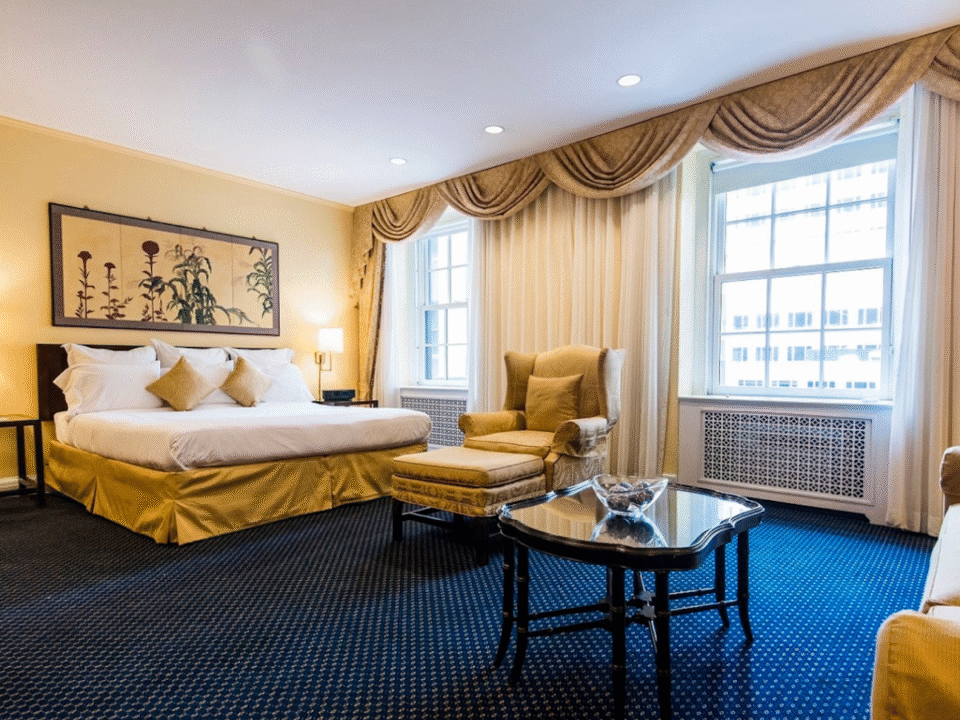
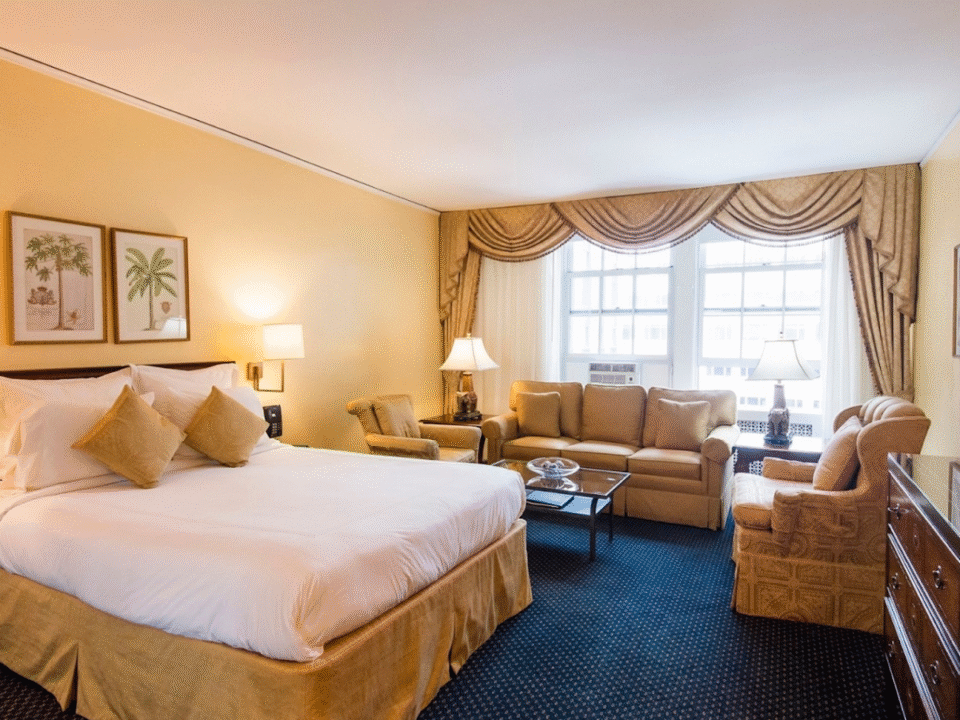
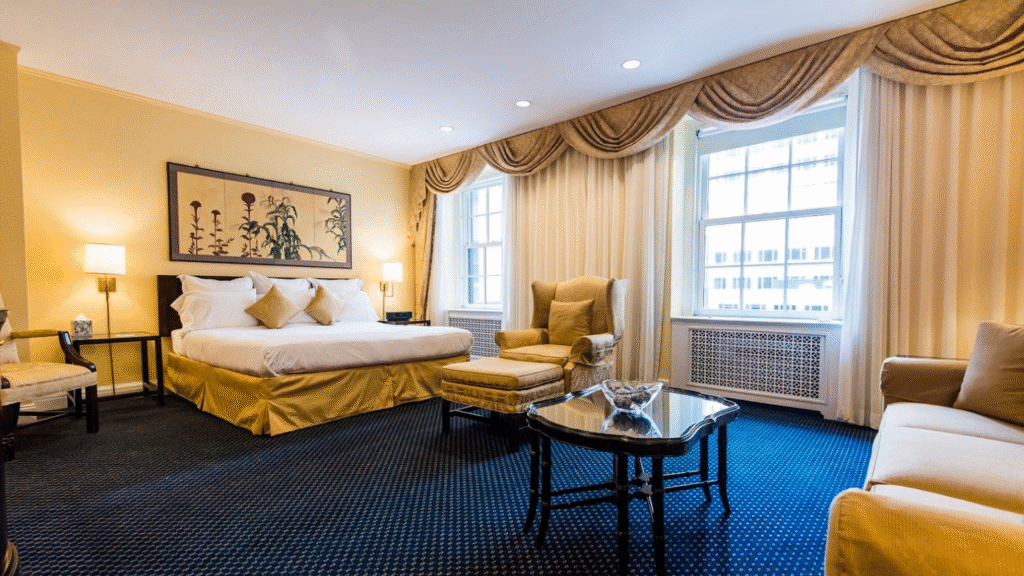
Within this evolving landscape, 3 West Club reflects the kind of centrally located, service-driven boutique hotel experience that international travelers increasingly seek during major global events.
As World Cup 2026 approaches, the hotels that prepare with intention will not only meet expectations. They will redefine them.