- 3 W 51st Street, New York, NY 10019
- (212) 582-5454

Why is Early Booking Essential for the Best Hotel Stay for FIFA World Cup Events

How NYC hotels for World Cup 2026 are upgrading services for international visitors
January 6, 2026
Best Murray Hill Wedding Venues to Host Your Perfect Wedding
January 8, 2026
When we think about FIFA World Cup events, we often imagine packed stadiums, flags moving through city streets, and the shared electricity of match days. What we rarely imagine is the quiet decision made months earlier that shapes all of it. Where do we stay? When we book. How early we commit. These choices rarely feel dramatic, yet they define whether our experience unfolds smoothly or becomes a series of compromises.
Early booking is not about urgency. It is about awareness. The World Cup reshapes cities long before the opening match. Travel demand accelerates early, availability contracts quickly, and the margin for choice narrows with each passing week. When we book early, we are not rushing. We are positioning ourselves wisely.
Why Timing Matters More Than Ever for World Cup Hotel Stays
During FIFA World Cup events, timing becomes the most influential variable in hotel planning. Host cities are fixed. Stadium locations are known. Travel windows align globally. Millions of people move toward the same destinations at once.
Hotel availability, pricing, and quality respond directly to this compression. Early availability offers breadth, flexibility, and control. Late availability offers leftovers. What remains close to the event rarely reflects what travelers initially wanted.
Early booking allows us to shape our stay intentionally. It determines how close we are to stadiums, how easily we move through the city, and how comfortably we rest between matches. Timing is not a convenience. It is a strategic foundation.
Understanding the Scale of Demand During FIFA World Cup Events
The demand generated by FIFA World Cup events operates on a scale unlike ordinary peak travel periods. International visitors arrive from across continents, often traveling in groups, families, or organized tours. Many attend multiple matches across several days or weeks.
Demand is not evenly distributed. It clusters around match windows, creating intense pressure on hotel inventory. Entire neighborhoods experience synchronized arrivals and departures.
Crucially, hotel demand accelerates long before match schedules are finalized. Fans book based on host cities and anticipated participation. By the time itineraries are confirmed, much of the most desirable inventory is already secured. Understanding this timing explains why waiting rarely leads to better outcomes.
How Early Booking Secures Better Hotel Location Options
Location is often the first compromise made by late bookers. Centrally located hotels, properties near transit hubs, and accommodations with efficient stadium access sell out first.
Early booking preserves access to these locations. It allows us to choose hotels that reduce commute time, simplify navigation, and support predictable routines. Late booking forces trade-offs. Longer journeys. Complex routes. Less familiar surroundings.
During FIFA World Cup events, location affects energy levels, safety, and daily rhythm. Early booking protects these essentials by preserving choice rather than forcing acceptance.
Price Stability and Cost Control Through Early Booking
Hotels use dynamic pricing models during global events. As availability shrinks, rates rise. This escalation accelerates as match dates approach and demand intensifies.
Early booking allows us to lock in pricing before these increases take hold. While early rates are not always the lowest possible, they are stable and predictable. This stability reduces exposure to surge pricing and last-minute premiums.
Cost control is not only financial. It is psychological. Knowing that accommodations are secured at a reasonable rate reduces stress and allows us to plan the rest of the trip with confidence.
Access to Higher-Quality Room Types and Amenities
Room quality matters deeply during multi-day FIFA World Cup travel, because the hotel room becomes more than a place to sleep. It becomes a space for recovery, reset, and quiet between emotionally and physically demanding match days. Rest, sound insulation, and consistency are not luxuries in this context. They are functional necessities that shape how we feel throughout the tournament.
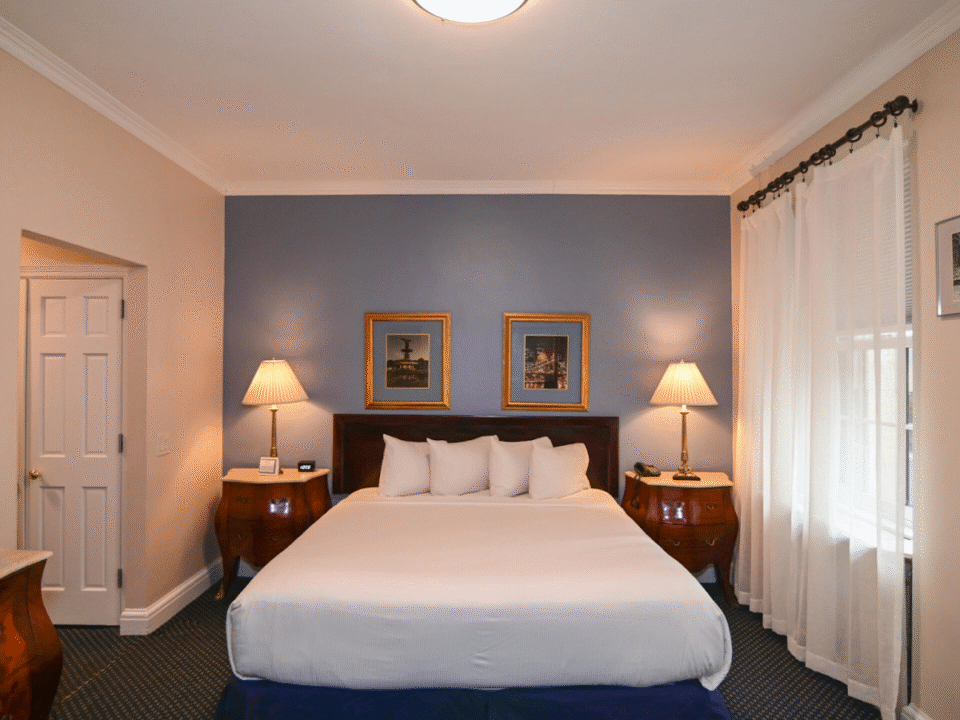
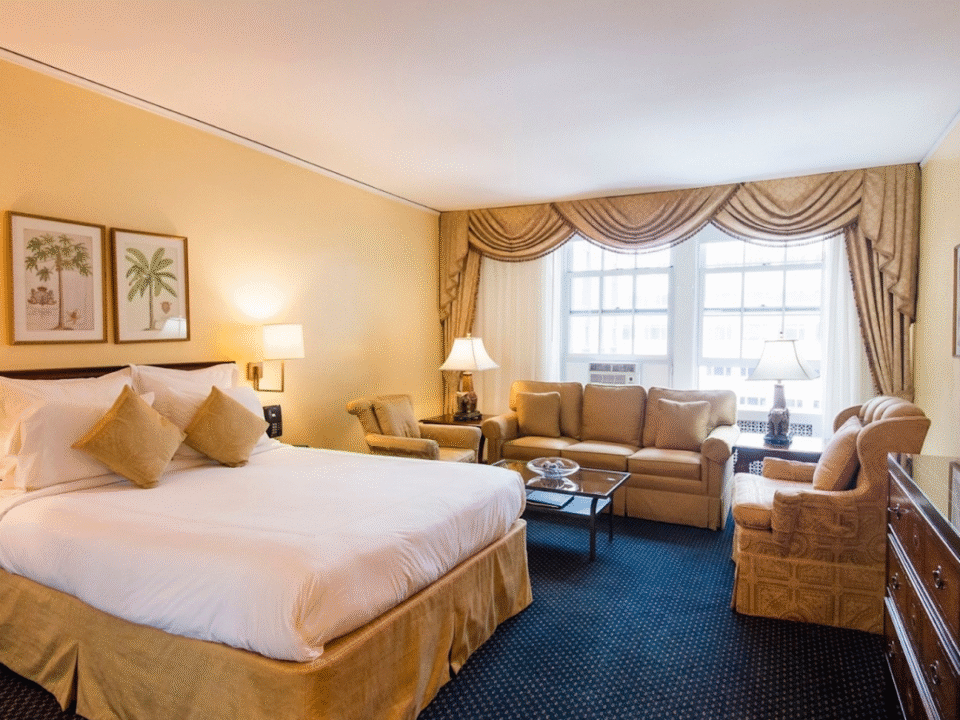
Early booking gives us access to preferred room categories that are designed with comfort in mind. These often include better layouts, more balanced lighting, and quieter placements within the hotel, such as rooms away from elevators, street noise, or high-traffic areas. These options disappear quickly once demand rises. As availability shrinks, remaining rooms tend to be less flexible, noisier, or less suited for extended stays.
When room quality aligns with service expectations, the entire stay feels cohesive. We wake rested. Transitions between days feel smoother. Early booking protects this alignment, ensuring that recovery supports enjoyment rather than competing with it.
Flexibility Advantages of Booking Early
Flexibility is one of the most valuable benefits of early planning, yet it is also the first to disappear as demand increases. When we book early, hotels are operating with fuller inventory and greater margin to accommodate change. Cancellation terms are typically more generous. Modification options feel reasonable rather than restrictive. This flexibility creates breathing room in the planning process.
As FIFA World Cup events draw closer, conditions shift quickly. Minimum stay requirements become common. Cancellation windows shorten. Even small changes can trigger penalties or require complete rebooking at higher rates. What once felt adjustable becomes rigid.
Early booking protects adaptability. Match schedules evolve. Travel routes change. Group plans shift. Having flexible reservation terms allows us to respond calmly rather than react urgently. For international travelers managing flights, accommodations, and time zone differences, this flexibility reduces stress and preserves control over the entire journey.
Reduced Risk of Displacement or Overbooking
High-demand periods increase operational strain. Overbooking becomes more likely. Late reservations are often the most vulnerable to relocation or room changes.
Early booking provides stability. Reservations are confirmed earlier, allocation is clearer, and priority is higher. The risk of displacement decreases significantly.
Peace of mind becomes a tangible benefit. Knowing that accommodations are secure allows us to focus on the experience rather than contingency planning.
Better Coordination With Match Schedules and Travel Plans
Hotel choice influences every other aspect of travel. Early booking allows alignment with confirmed match locations, kickoff times, and recovery periods.
We can plan arrivals, departures, and daily routines around a stable base. Waiting limits this optimization. Logistics becomes reactive rather than intentional.
During FIFA World Cup events, structure enhances enjoyment. Early booking creates that structure.
Enhanced Planning for Group and International Travelers
Groups introduce complexity. Room blocks, adjacent accommodations, and shared spaces require time to coordinate. Early booking simplifies this process.
International arrivals often stagger across time zones. Early booking allows hotels to accommodate these patterns more effectively.
Without early planning, group travelers face fragmentation. Separate locations. Inconsistent services. Reduced cohesion. Early booking preserves unity.
Transportation and Transit Access Benefits
Hotels near major transit routes fill quickly. Early booking secures access to efficient transportation networks that reduce reliance on long or complex commutes.
Late bookings often increase daily travel time and congestion exposure. This affects energy, punctuality, and flexibility.
During FIFA World Cup events, transit access defines daily mobility. Early booking protects this advantage.
Avoiding Substandard or Last-Resort Accommodations
Delayed booking increases the likelihood of settling. Poor location. Limited services. Reduced comfort. These compromises accumulate over time.
Substandard accommodations affect sleep quality, safety perception, and overall enjoyment. They turn immersive experiences into logistical challenges.
Early booking protects quality. It allows us to choose deliberately rather than accept what remains.
Psychological and Practical Benefits of Early Commitment
Early commitment removes uncertainty. Confirmed accommodations support better budgeting, scheduling, and mental clarity.
Decision fatigue decreases as travel dates approach. Instead of scrambling for availability, we focus on anticipation and preparation.
Confidence and control are meaningful benefits. Early booking provides both.
Common Mistakes Travelers Make When Booking Too Late
Many travelers assume availability will remain open. Others underestimate international demand. Some wait for last-minute deals that rarely appear during FIFA World Cup events.
Past tournaments reveal consistent patterns. Early planners benefit. Late planners compromise.
Learning from these patterns prevents repetition.
Strategic Timeline for Booking Hotels for FIFA World Cup Events
Serious planning should begin as soon as host cities are announced. Early does not mean rushed. It means informed and decisive.
Monitoring availability is useful, but delaying commitment often costs more than it saves. Timing is a skill developed through experience.
Early booking reflects readiness rather than urgency.
Conclusion: Planning for a Better World Cup Experience
Early booking is essential for securing the best hotel stay for FIFA World Cup events. Timing influences location, cost, comfort, flexibility, and peace of mind. Proactive planning transforms travel from reactive to intentional.
There is an artistic dimension to this process. Like a carefully composed work, a great travel experience depends on preparation, pacing, and structure. When foundations are set early, the experience itself can unfold freely. Hospitality, like art, shapes how we remember place, movement, and time.
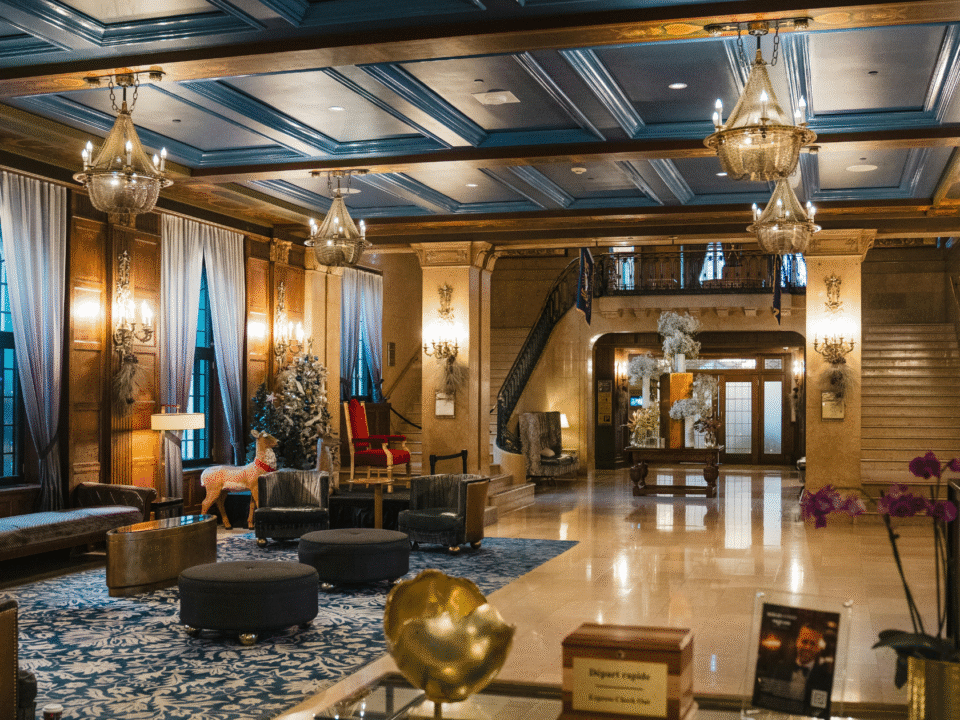
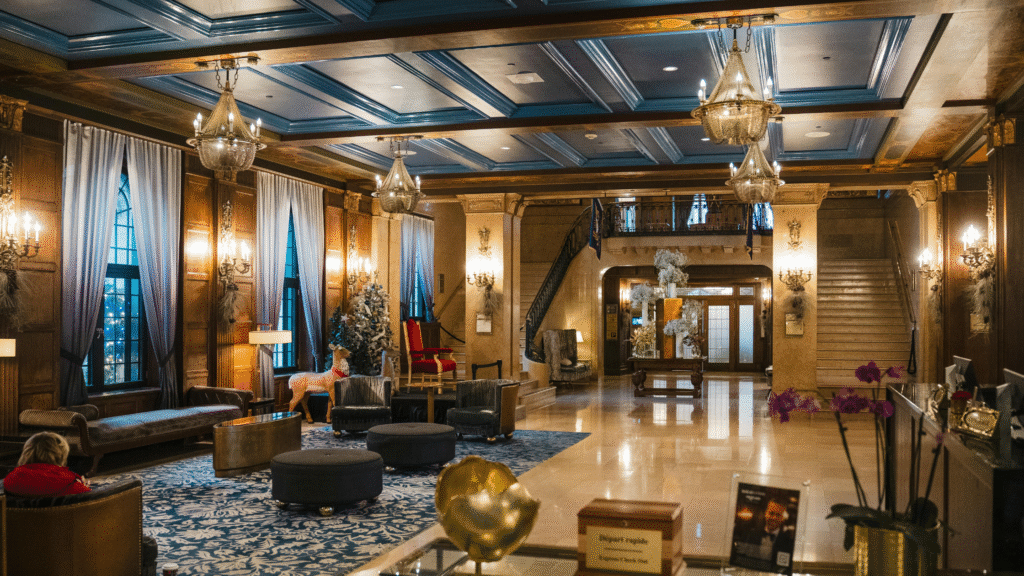
For travelers who plan, the 3 West Club represents the type of centrally located, thoughtfully managed boutique hotel experience that is often secured through early booking for major global events. Begin early. Choose deliberately. Let the World Cup unfold without unnecessary friction.
Reserve Your Hotel Conference Room Rental Today!
To Start Planning Your Event

The 3 West Club is a historic Manhattan hotel and event venue known for its intimate wedding spaces, gala event rooms, and classic Old New York elegance. Located just steps from Radio City Music Hall and Rockefeller Center, this landmarked building offers sophisticated yet cost-effective accommodations for meetings, weddings, special events, and overnight guests visiting New York City.
Serving clients throughout Manhattan, Brooklyn, Queens, Long Island, Scarsdale, and Jersey City, NJ, The 3 West Club provides a stunning setting for wedding receptions, gala events, hotel conference room rentals, and memorable city stays.
3 West Club Events Team
The 3 West Club is a historic Manhattan hotel and event venue known for its intimate wedding spaces, gala event rooms, and classic Old New York elegance. Located just steps from Radio City Music Hall and Rockefeller Center, this landmarked building offers sophisticated yet cost-effective accommodations for meetings, weddings, special events, and overnight guests visiting New York City.
Serving clients throughout Manhattan, Brooklyn, Queens, Long Island, Scarsdale, and Jersey City, NJ, The 3 West Club provides a stunning setting for wedding receptions, gala events, hotel conference room rentals, and memorable city stays.