- 3 W 51st Street, New York, NY 10019
- (212) 582-5454

How To Choose The Best Hotel for FIFA World Cup Travel Based On Location And Stadium Access

Gluten-free Midtown Manhattan Dining Guide for Holiday Visitors and Family Gatherings
December 28, 2025
How NYC hotels for World Cup 2026 are upgrading services for international visitors
January 6, 2026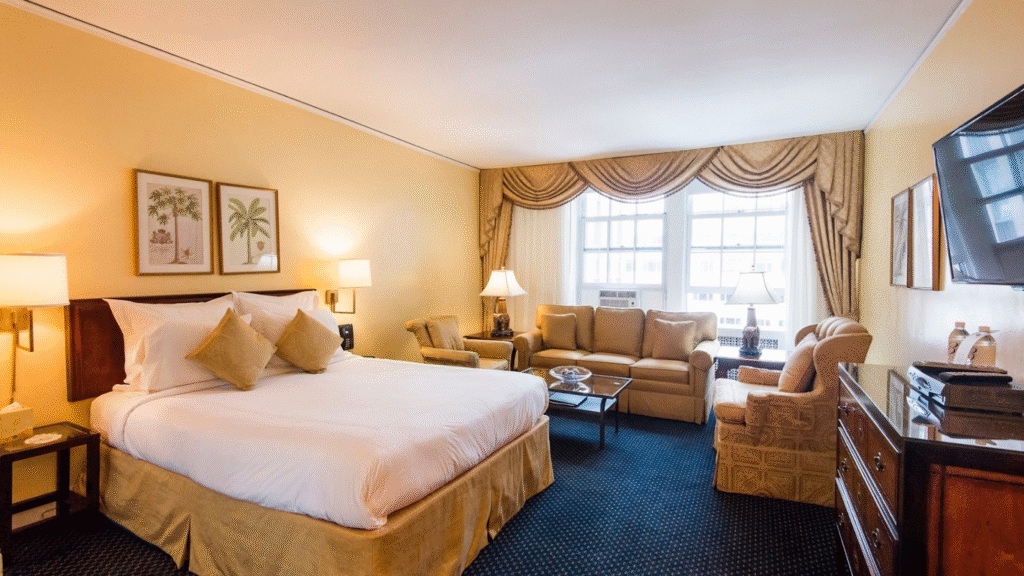
When we plan FIFA World Cup travel, we are not simply reserving a room. We are choosing how our days will unfold, how our nights will end, and how much energy we will have left to fully experience the tournament. The World Cup transforms cities. Time compresses. Streets fill with anticipation. Transit systems stretch to their limits. In this environment, the hotel we choose becomes more than accommodation. It becomes infrastructure.
We often begin by comparing prices, scrolling through photos, or weighing amenities. Yet during the World Cup, these considerations fade quickly. What matters is how efficiently we can move, how safely we can return, and how calmly we can rest between matches. Location and stadium access quietly dictate all of this.
A well-chosen hotel allows us to remain present. A poorly chosen one forces us into constant calculation. The difference shows up in our bodies as much as in our schedules. Fatigue accumulates. Stress replaces excitement. That is why choosing the right hotel is not a cosmetic decision. It is a strategic one.
Why Hotel Location Matters More Than Price During the World Cup
During the World Cup, cities operate under unusual pressure. Match schedules are fixed. Crowds surge in predictable waves. Transportation demand spikes before kickoff and intensifies afterward. In this environment, distance becomes heavier than usual.
A hotel that appears affordable on paper may demand long commutes at the most congested times of day. These commutes do not simply cost time. They erode energy and patience. Standing in transit queues after an evening match can turn exhilaration into exhaustion.
When we prioritize location over price, we protect our experience. We reduce uncertainty. We give ourselves the ability to adjust when plans shift or matches run long. A hotel that allows smoother access to stadiums and transit hubs quietly improves safety, timing, and overall enjoyment.
This is not indulgence. It is efficient. Smart location choices allow us to spend our attention on the tournament rather than logistics.
Understanding FIFA World Cup Host Cities and Stadium Geography
Host cities are rarely designed with a single center. Stadiums often sit outside traditional tourist districts or are distributed across metropolitan regions. Assuming that a central hotel guarantees convenience can lead to unexpected complications on match days.
Some stadiums are embedded within dense urban zones. Others are located in suburban corridors or redevelopment areas. Each setting produces different traffic patterns, transit behavior, and crowd flow.
During FIFA World Cup travel, matches are often clustered geographically in the early stages, then spread out as the tournament progresses. Fans attending multiple games may find themselves moving between districts or even cities. Understanding stadium geography helps us anticipate these movements realistically.
Rather than thinking in terms of city centers, we begin to think in terms of stadium zones. These zones shape how people move before and after matches. Hotels that align with these zones, either through proximity or connectivity, perform better under pressure.
Evaluating Hotel Location Based on Stadium Proximity
Proximity is often misunderstood. A hotel that looks close on a map may require indirect routes, limited transit options, or long waits during peak congestion. Meanwhile, a hotel farther away but located near major transit corridors may provide faster, more reliable access.
We distinguish between straight line distance and real travel time. We also consider how travel feels after the match ends. Late-night exits test patience and safety. Crowds disperse unevenly. Transit services are thin.
Hotels in walkable or well-connected zones offer smoother returns. They reduce dependence on single transit routes and allow flexibility when conditions change. Proximity must also be balanced with access to food, lighting, and active streets. A hotel surrounded by closed venues after matches can feel isolating. The best locations offer both access and continuity.
Analyzing Public Transportation Access from the Hotel
Public transportation becomes the circulatory system of FIFA World Cup travel. Hotels near major transit hubs outperform those near landmarks. Access to multiple lines matters more than proximity to a single route.
We look for redundancy. When one line slows, another can compensate. Hotels served by several subway, rail, or bus lines provide resilience during peak congestion. This flexibility becomes critical after evening matches, when service frequency may decrease.
Late-night availability matters. Knowing that transit runs reliably after matches reduces anxiety throughout the day. Transit hubs also attract lighting, staffing, and security, which contribute to comfort during high traffic periods.
Transit access transforms a location into an advantage.
Assessing Walkability and Crowd Flow on Match Days
Walkability offers freedom. When we can reach the stadium or transit on foot, we reduce reliance on overwhelmed systems. Walking allows us to move at our own pace and remain connected to the city’s energy.
Crowd flow matters as much as sidewalks. Bottlenecks form near narrow streets, poorly marked crossings, and underlit corridors. Hotels located in districts designed for pedestrian traffic handle match day surges more gracefully.
Walkable neighborhoods support pre-match dining and post-match decompression. They allow us to extend the experience rather than rushing through it. The ability to walk home safely after a match can transform the entire day.
Matching Hotel Location to Match Schedule and Ticket Strategy
Not all World Cup itineraries demand the same hotel strategy. Group stage matches often allow predictable planning. Knockout rounds introduce uncertainty. Fans attending multiple venues require connectivity rather than closeness.
Early kickoffs favor hotels with fast transit access. Late kickoffs favor hotels with reliable return routes. Back-to-back match days magnify fatigue. Minimizing commute strain preserves energy and enthusiasm.
We align hotel choice with confirmed tickets rather than speculation. Once the match schedule is known, ideal locations become clearer.
Balancing Stadium Access with Non-Match Travel Needs
World Cup travel includes pauses. Rest days matter. Sightseeing, dining, and wandering help us absorb the place beyond the stadium.
Hotels isolated near stadiums may feel empty on non-match days. Limited dining and entertainment options can restrict the experience. Centrally connected hotels support both match intensity and daily exploration.
Nearby cultural spaces, active streets, and diverse dining create continuity. We remain engaged rather than waiting. Balance transforms the trip into a lived experience rather than event attendance.
Evaluating Neighborhood Safety and Crowd Management
Match days change neighborhoods. Quiet streets become loud. Familiar routes shift. Safety during FIFA World Cup travel is shaped by visibility, lighting, and clarity.
Well-established districts absorb crowds more effectively. They offer predictable services, clear signage, and intuitive navigation. Returning late at night feels manageable rather than uncertain.
Safety is not only about risk. It is about comfort. Knowing where we are and how to move reduces mental strain and supports enjoyment.
Understanding Hotel Policies During Major Sporting Events
Major tournaments reshape hotel operations. Minimum stay requirements, restricted cancellations, and modified services are common. Reviewing policies carefully prevents disruption later.
Security procedures often tighten. Access controls increase. Check in flows change. Hotels accustomed to high occupancy handle these shifts more smoothly, especially when the location allows staff and guests to arrive reliably. Policy reliability is closely tied to location stability.
Using Mapping Tools and Real-Time Data to Validate Hotel Choice
Descriptions persuade. Data confirms. Before booking, we simulate match day travel routes at projected kickoff times. We evaluate multiple options.
We observe travel time variability. Routes that fluctuate widely introduce stress. Stable routes offer confidence. Real-time validation protects us from disappointment.
We trust data over assumptions.
Common Hotel Location Mistakes FIFA World Cup Travelers Make
The most frequent mistake is prioritizing price over access. Savings disappear when time and energy are lost in transit. Staying too far outside host zones increases stress and hidden costs.
Crowd impact is often underestimated. Short distances feel long during surges. Marketing language can obscure logistical reality. Learning from past tournaments helps us avoid these patterns.
Final Checklist: Choosing the Best Hotel for FIFA World Cup Travel
When we arrive at the final decision, we slow down and verify each element with intention. We begin with stadium access, not as a vague idea of closeness, but as a measured understanding of how long it actually takes to arrive and return on match days. We consider peak crowd conditions, late-night exits, and the reliability of routes after the final whistle. Access must work in real conditions, not just in theory.
Next, we confirm transit connectivity. We look for hotels supported by multiple transit lines rather than a single route. Redundancy matters when systems are strained. We account for service frequency, transfer complexity, and late-night availability, knowing that a smooth return often defines how the entire day feels. A well-connected hotel reduces waiting, confusion, and physical fatigue.
We then assess walkability. We observe whether streets are active, well-lit, and designed for foot traffic. Walkable surroundings allow us to bypass congestion, adjust plans spontaneously, and remain connected to the city’s energy before and after matches. Walking becomes a form of freedom rather than an obligation.
Safety is evaluated holistically. We consider visibility, signage, crowd flow, and the presence of active businesses rather than focusing on isolated statistics. Areas that manage large volumes regularly tend to remain calmer and more navigable during tournament surges. Feeling oriented and comfortable at night matters as much as proximity during the day.
Finally, we align every choice with confirmed match plans rather than hope or speculation. Once kickoff times and venues are set, we reassess routes using real-time mapping tools at projected travel hours. We test alternatives. We observe variability. This step grounds expectations in data rather than description.
Taken together, this checklist replaces guesswork with clarity. It transforms hotel selection from a stressful compromise into a confident, well-reasoned decision. When logistics are resolved in advance, the World Cup experience unfolds with ease, allowing us to stay present for what truly matters.
Conclusion. Turning FIFA World Cup Travel into a Seamless Experience
Choosing the best hotel for FIFA World Cup travel is not about appearance. It is about flow. Location and stadium access shape how we move, how we feel, and how fully we experience the tournament. When planning is thoughtful, fatigue decreases and flexibility increases.
There is also an artistic dimension to travel. An artist understands that movement through space shapes memory. The way we arrive, pause, and return becomes part of the story. When logistics fade into the background, presence emerges.
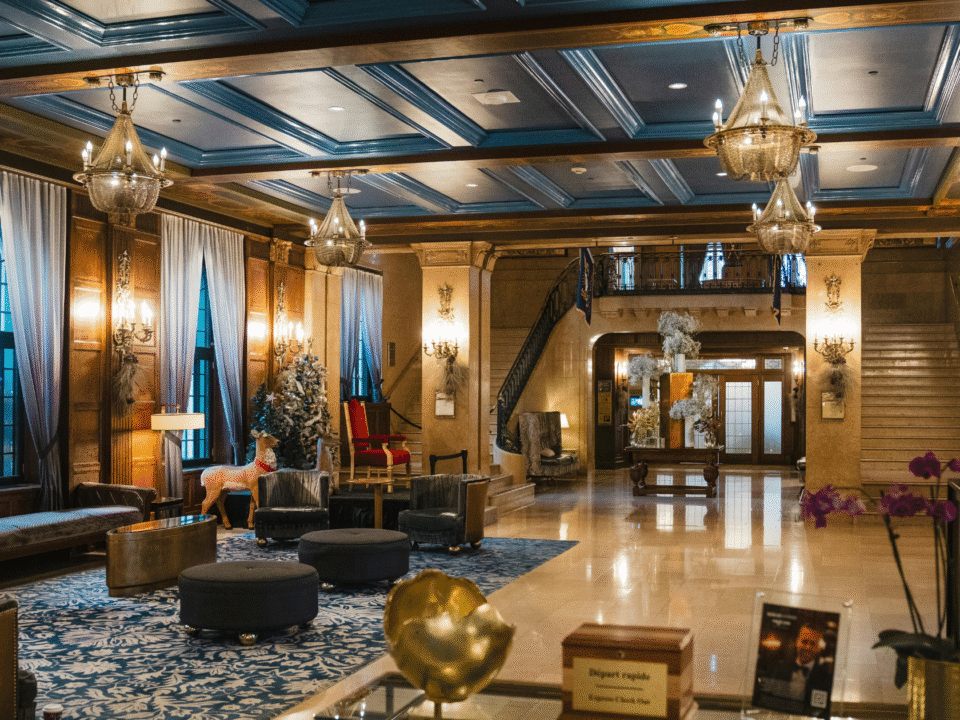
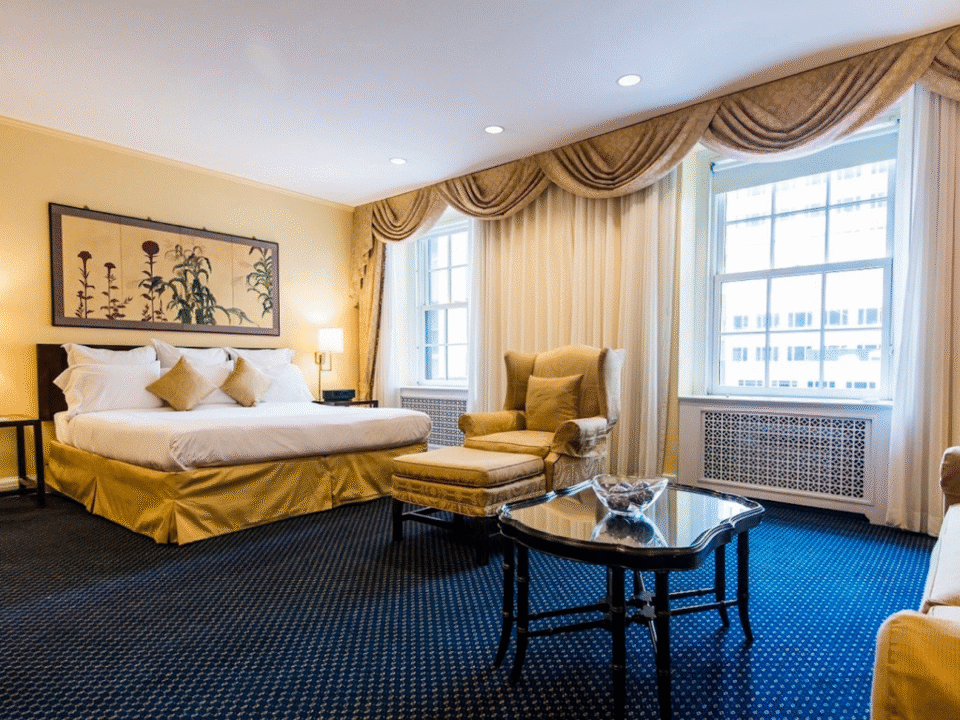
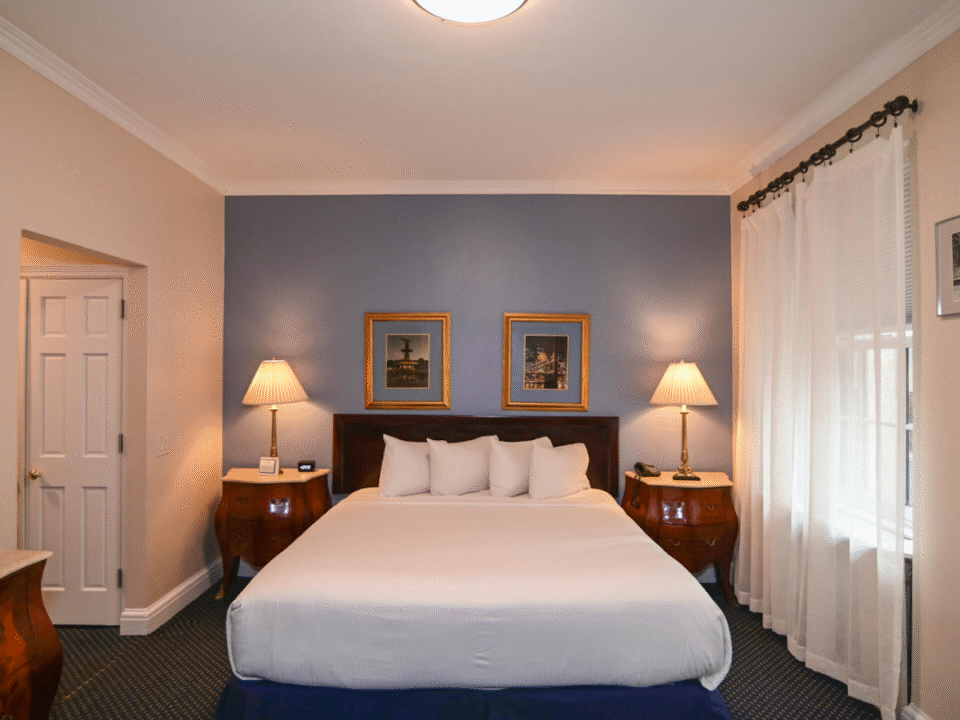
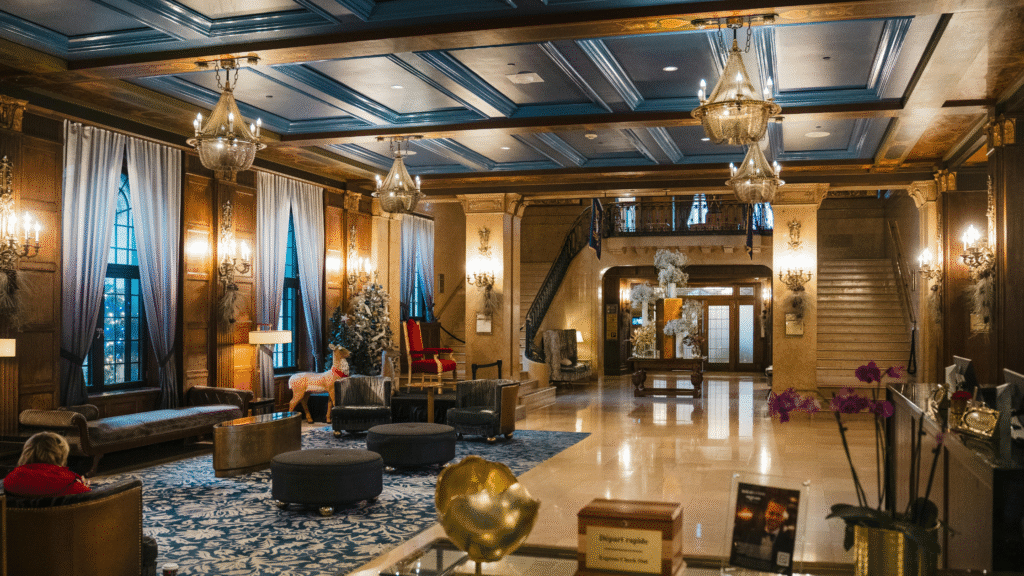
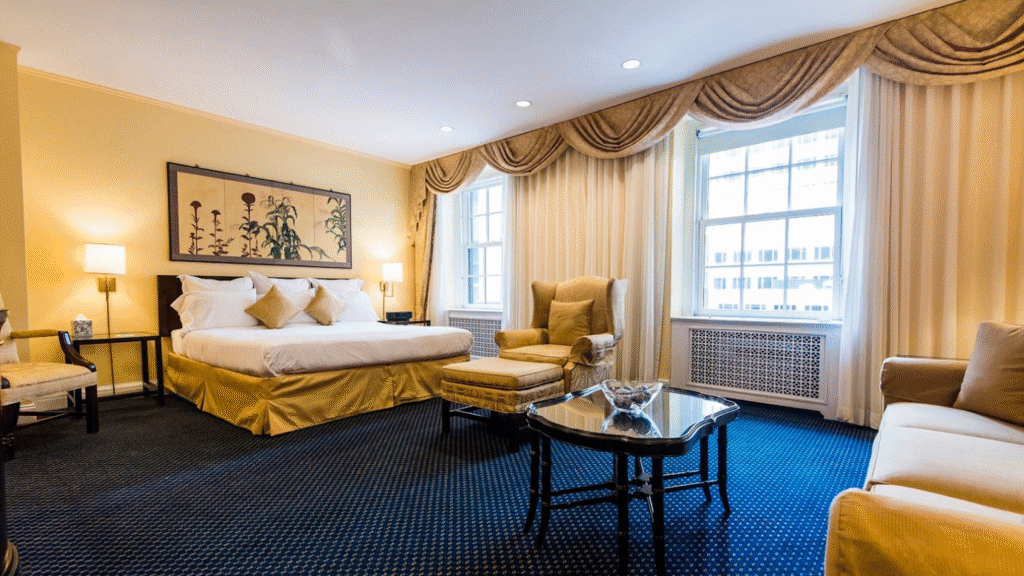
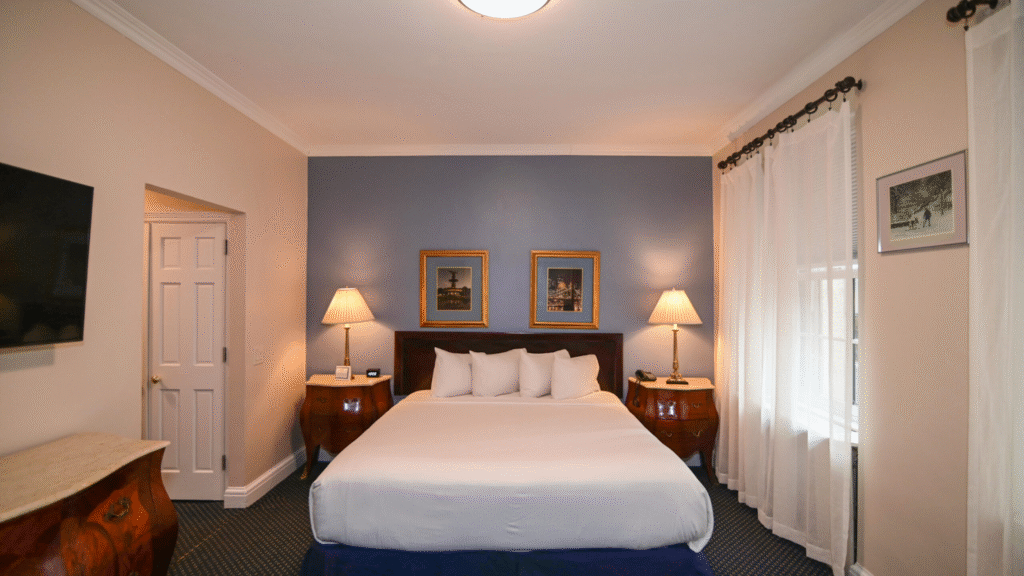
For travelers seeking a centrally connected boutique hotel experience suited to major global events, 3 West Club offers a location-driven balance that naturally supports the rhythm and demands of World Cup travel.
Choose with intention. Plan with clarity. Let the game take center stage.
Reserve Your Hotel Conference Room Rental Today!
To Start Planning Your Event

Jonah Wilson, MBA, is the Marketing and Events Manager at 3 West Club, a historic Manhattan venue known for its timeless “Old New York” elegance and premier event experiences. With expertise spanning hospitality, entertainment, fintech, and consumer goods, Jonah specializes in developing strategic marketing campaigns that drive brand growth, elevate guest experiences, and increase engagement. His passion for innovation, analytics, and consumer insights helps position 3 West Club as a leading destination for weddings, corporate events, and overnight stays in the heart of New York City.